Unified Reward Frameworks Linking Mobile Slots to Live Dealer Experiences
Written by Tina Braun · Jul 21, 2026

Unified Reward Frameworks Linking Mobile Slots to Live Dealer Experiences
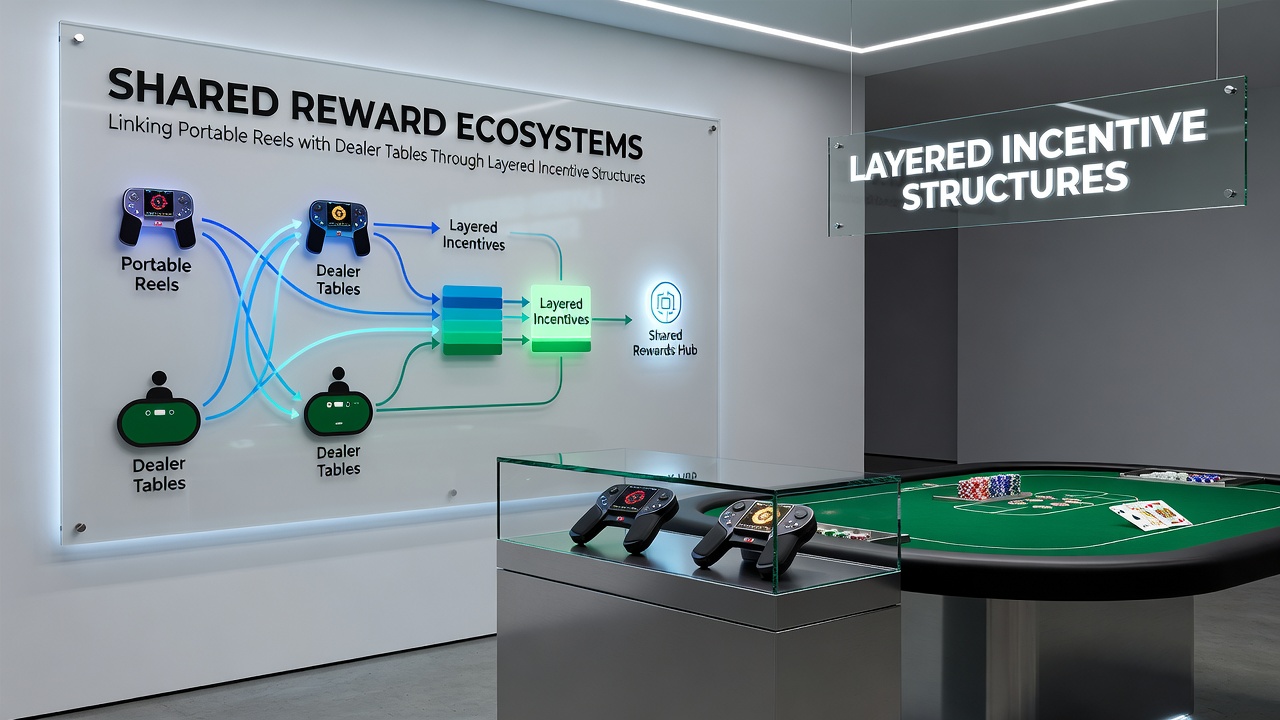
Shared reward ecosystems have emerged as operators seek to connect portable reels with dealer tables through multi-tiered incentive structures that span both mobile and live environments. These frameworks track player activity across slots and table games then allocate rewards based on cumulative engagement rather than isolated session performance. Data from industry reports indicate that such systems began gaining traction in several regulated markets during early 2025 with broader rollouts projected for July 2026.
Mechanics of Cross-Platform Reward Integration
Layered incentive structures operate by assigning points or credits when users engage with mobile reels and then convert those accumulations into benefits at dealer tables. A player might earn base points from spinning progressive slots on a smartphone while additional multipliers activate once a threshold triggers and those points unlock table-side perks such as reduced minimum bets or complimentary hands in blackjack. According to research conducted by the University of Nevada's gaming studies department, this conversion process relies on real-time APIs that synchronize balances between slot servers and live dealer platforms so that rewards appear instantly when a user switches devices.
Operators implement three or four distinct layers within these ecosystems. The entry layer captures routine activity like standard spins or initial table bets while mid-layers introduce time-limited challenges that boost point values and the top layer grants access to exclusive events such as private dealer sessions or enhanced jackpot contributions. Figures from the Nevada Gaming Control Board show that casinos adopting this model recorded a 17 percent increase in cross-game participation rates during the first half of 2025 compared with venues that maintained separate reward programs.
Player Behavior Patterns Across Reels and Tables
Observers note that users often begin sessions on portable reels because of convenience yet migrate toward dealer tables once accumulated rewards lower barriers to entry. This migration pattern becomes evident in session logs where point redemptions at tables spike after mobile play milestones are reached. What's interesting is how the layered approach encourages longer overall engagement because rewards earned on reels carry forward and influence table decisions rather than resetting at each transition.
Take one casino group that introduced shared ecosystems in late 2024 and tracked outcomes through the following year. Their records reveal that average session duration rose by 22 minutes when players utilized transferred incentives and repeat visits increased notably among those who reached the second incentive layer. Researchers at the Canadian Institute for Gaming Research documented similar trends in Ontario facilities where mobile-to-table reward bridges reduced player churn by linking progress across formats.
Technical Infrastructure Supporting Layered Systems
Implementation depends on unified player accounts that maintain persistent data across mobile applications and live dealer interfaces. Backend platforms aggregate activity metrics then apply algorithms that determine when a layer activates and what specific incentives become available. These algorithms factor in frequency of play, total stakes, and game type diversity so that balanced participation across reels and tables yields higher rewards than concentrated activity in one area.
Security protocols ensure that point transfers occur without exposing sensitive account details while compliance checks verify that incentive structures adhere to jurisdictional limits on promotional value. Reports issued by the Australian Communications and Media Authority highlight how operators in that region integrated similar frameworks ahead of schedule and achieved measurable gains in player retention metrics by July 2025. The same regulatory body anticipates further standardization of these systems across additional jurisdictions by mid-2026.
Market Adoption and Regulatory Context
Adoption rates vary by region yet several major operators have committed resources to shared ecosystems because they consolidate multiple reward streams into a single structure. This consolidation reduces administrative overhead while creating a more cohesive player journey that spans device types. Industry associations such as the European Gaming and Betting Association have published guidelines that address transparency requirements for layered incentives and stress the need for clear disclosure of how points convert between game categories.
During July 2026 several platforms are scheduled to launch updated versions of these frameworks that incorporate predictive analytics. These updates will adjust incentive layers dynamically based on individual play histories rather than applying uniform thresholds across all users. Data shared by the association indicates that early adopters experienced higher satisfaction scores once personalized layers replaced static ones.
Conclusion
Shared reward ecosystems continue to evolve as operators refine the connections between portable reels and dealer tables. Layered incentive structures provide the mechanism that makes these connections functional and measurable. Reports from regulatory bodies and academic institutions document steady growth in adoption along with corresponding shifts in player behavior. As July 2026 approaches further technical enhancements are expected to expand the scope of these frameworks across additional markets.