UK Treasury Dismisses DCMS Warnings on Gambling Tax Hike Risks Uncovered in FOI Documents
Written by Nils Schröder · Mar 13, 2026

UK Treasury Dismisses DCMS Warnings on Gambling Tax Hike Risks Uncovered in FOI Documents
The Backdrop to the Gambling Tax Changes
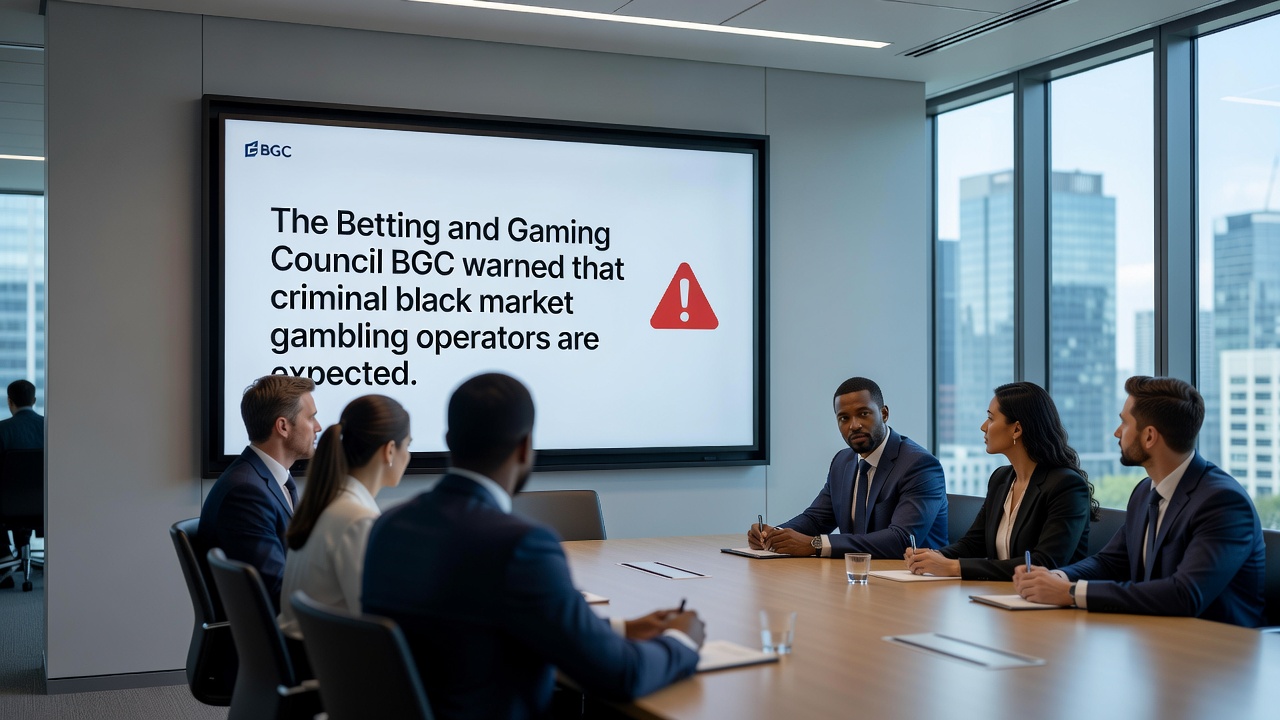
Recent moves by the UK government to increase taxes on gambling activities have stirred significant debate within regulatory circles, particularly around remote gaming duties that target online casinos and slots; these changes, set to take effect soon, aim to boost public funds while addressing gambling-related issues, yet they've sparked internal pushback now laid bare through Freedom of Information requests. Observers note how such tax hikes often walk a tightrope between revenue goals and market stability, and in this case, documents reveal a clear rift between departments. The Treasury, tasked with fiscal policy, pushed ahead despite cautions from the Department for Culture, Media and Sport (DCMS), which flagged potential pitfalls like a booming black market and shortfall in expected revenues.
What's interesting here is the timing; with the Finance Bill's Report Stage looming in early 2026—potentially as soon as March—these revelations add fresh urgency to discussions in Parliament, where amendments could still reshape the landscape for operators in the UK's £15 billion gambling sector. Data from industry trackers like Next.io underscores how online casinos, hit hardest by the remote gaming duty rise from 21% to 25% or more in some brackets, already navigate a highly regulated environment, making any misstep in policy assumptions all the more consequential.
DCMS Flags Key Concerns in Internal Communications
The DCMS, responsible for overseeing culture and sport alongside gambling regulation, expressed doubts early on about the Treasury's modeling for the tax increase; according to FOI documents obtained recently, officials warned that steeper duties on remote gaming could inadvertently fuel underground operations, as players seek cheaper alternatives outside licensed platforms, thereby eroding the very revenues the policy seeks to capture. But here's the thing: those same documents highlight how the projected harm reduction— a core justification for the hike—might not materialize, since black market growth could expose vulnerable gamblers to unregulated risks without the protections of UK-licensed sites.
Experts who've pored over the releases point to specific memos where DCMS analysts questioned yield forecasts, arguing that historical patterns from similar tax shifts in other jurisdictions show diminished returns when operators pass costs to consumers or when activity migrates offshore; one such analysis within the FOI batch estimated potential revenue shortfalls in the tens of millions if compliance dips, while black market expansion—already a concern with illegal betting apps proliferating—could accelerate. And while the government touts the changes as progressive, these internal notes paint a picture of skepticism grounded in data from prior reforms, like the 2019 point-of-consumption tax adjustments that initially underperformed expectations before stabilizing.
Treasury's Firm Rejection of the Warnings
In response to DCMS input, Treasury officials dismissed the concerns outright, maintaining confidence in their economic models and projections; FOI records show emails and meeting summaries where finance experts labeled the black market risk as overstated, citing robust enforcement by the UK Gambling Commission and advanced tech like payment blocking to keep illicit operators at bay. Turns out, the Treasury leaned on fresh simulations predicting a net revenue gain of over £500 million annually post-hike, even accounting for some migration, although critics in DCMS pushed back on the assumptions baked into those figures.
Those who've studied the exchange observe how the Treasury emphasized broader fiscal needs—funding public services amid budget pressures—over sector-specific worries, with one document noting that any revenue dip would remain marginal compared to overall gains from land-based and other gambling streams; yet DCMS countered that online slots and casino games, representing a fast-growing segment, warrant closer scrutiny, especially since player numbers have surged 20% in recent years per Gambling Commission stats. This clash underscores a classic tension between short-term fiscal wins and long-term market health, now public thanks to the FOI push.
Broader Implications for Casino Operators and the Industry
Casino operators, particularly those in the online space, feel the pinch most acutely from these remote gaming duty escalations; companies running slots and table games digitally must now grapple with higher costs that could squeeze margins, prompt bonus cuts, or even site closures if projections falter as DCMS fears. Reports from outlets like High Stakes DB detail how the sector, employing thousands and contributing substantially to the economy, braces for shifts that might redefine player behavior—some migrating to lower-tax European hubs, others dipping into unregulated waters.
Take one case from recent industry filings: a major operator projected a 15% drop in UK gross gaming revenue under the new duties, aligning with DCMS concerns about suboptimal yields; and while the Gambling Commission enforces strict affordability checks, the FOI docs suggest these won't stem black market appeal for cost-conscious players seeking high-stakes slots without the tax premium. Observers note parallels to Australia's 2017 online betting levy, where initial revenue boosts gave way to offshore flight, prompting regulatory tweaks—a pattern UK stakeholders hope to avoid come March 2026 deliberations.
So as the Finance Bill advances, operators lobby for carve-outs or phased implementations, arguing that Treasury models overlook real-world elasticity in gambling spend; data indicates online casino participation hovers around 25% of adults, per recent surveys, making any exodus a revenue black hole that harms everyone from taxpayers to problem gambling charities funded by levies.
The Road to the Finance Bill Report Stage
With the Report Stage approaching in early 2026—slated for parliamentary scrutiny potentially in March—MPs now hold the cards on whether to heed the FOI-exposed DCMS views or stick with Treasury optimism; amendments could refine duty structures, perhaps tiering rates by game type or bolstering anti-black market measures like enhanced international cooperation. People in the know highlight how cross-party gambling committees have already signaled interest, drawing on the documents to question harm reduction efficacy amid rising treatment demands reported by bodies like GamCare.
Yet Treasury insiders remain steadfast, pointing to peer-reviewed economic papers validating their forecasts, although DCMS rebuttals cite counter-studies showing tax sensitivity in digital gambling; this back-and-forth, now transparent, fuels calls for independent audits before final passage. And for the industry, that's where the rubber meets the road—navigating uncertainty while complying with looming rules on stakes, deposits, and self-exclusion that compound tax pressures.
Now, as consultations wrap and lobbyists circle Westminster, the FOI trove serves as ammunition for balanced reform; one analyst familiar with the docs predicts tweaks to mitigate black market risks, ensuring revenues flow without unraveling the regulated ecosystem that's kept UK gambling a global benchmark.
Conclusion
The FOI documents crystallize a pivotal departmental divide on the gambling tax hike's foundations, with DCMS warnings of black market surges, revenue gaps, and elusive harm curbs standing firm against Treasury assurances of fiscal upside; as the Finance Bill nears its critical Report Stage in early 2026, this episode spotlights the high stakes for online casinos, slots operators, and the wider industry navigating policy crosscurrents. Observers watch closely, knowing that decisions here could either solidify revenue streams or ignite unintended market shifts, all while the regulated sector pushes for evidence-based adjustments to protect players and prosperity alike.