UK Gambling Commission Ramps Up Fight Against Illegal Gambling at BGC AGM 2026 with Fees Hike and Tech Ties
Written by Tina Braun · Mar 12, 2026

UK Gambling Commission Ramps Up Fight Against Illegal Gambling at BGC AGM 2026 with Fees Hike and Tech Ties
The Speech That Set the Tone for 2026 Enforcement
At the Betting and Gaming Council Annual General Meeting in early 2026, Tim Miller, Executive Director of the UK Gambling Commission, took the stage and laid out a clear plan to intensify the crackdown on illegal gambling; he emphasized enforcement actions, partnerships with tech giants like Meta, and a proposed jump in regulatory fees to 0.28% of Gross Gambling Yield, all aimed at bolstering the tools needed for a safer market.
What's interesting is how Miller framed this push not as a burden, but as a necessary evolution in a landscape where illegal operators continue to exploit gaps; operators in the regulated space have long called for stronger measures, and this speech signals that regulators are listening, especially as the Gambling Act Review wraps up its major changes by March 2026.
Miller's address, delivered amid discussions on the industry's future, highlighted data showing illegal gambling's persistent threat—sites dodging licenses, targeting vulnerable players, and undercutting legitimate businesses; the Commission plans to deploy resources more aggressively, using everything from on-the-ground raids to digital takedowns.
Fees Increase: Funding the Frontline Against Illicit Operators
Central to Miller's strategy sits the proposed fees adjustment, detailed in ongoing consultations like those on proposed changes to Gambling Commission fees, which would raise the levy to 0.28% of GGY starting potentially in the latter half of 2026; this move, he explained, directly funds enhanced compliance teams, better intelligence gathering, and faster disruption of rogue platforms.
But here's the thing: regulated operators won't shoulder this alone in spirit, since the fees target sustainability for the regulator while illegal outfits pay nothing; experts who've tracked Commission finances note that previous hikes have correlated with measurable drops in unlicensed activity, as seen in quarterly reports where enforcement cases rose by double digits after similar adjustments.
Take one case from recent years where beefed-up funding led to the shutdown of offshore sites siphoning millions in bets; Miller stressed that without this revenue stream, the Commission can't keep pace with the sophistication of illegal networks, which often use encrypted apps and anonymous payment rails to evade detection.
And while some grumble about the pinch on margins—GGY fees hit operators based on their revenue streams—this proposal comes with transparency promises, including detailed breakdowns on how every pound fuels enforcement, tech upgrades, or consumer protection initiatives.
Tech Collaborations Take Center Stage
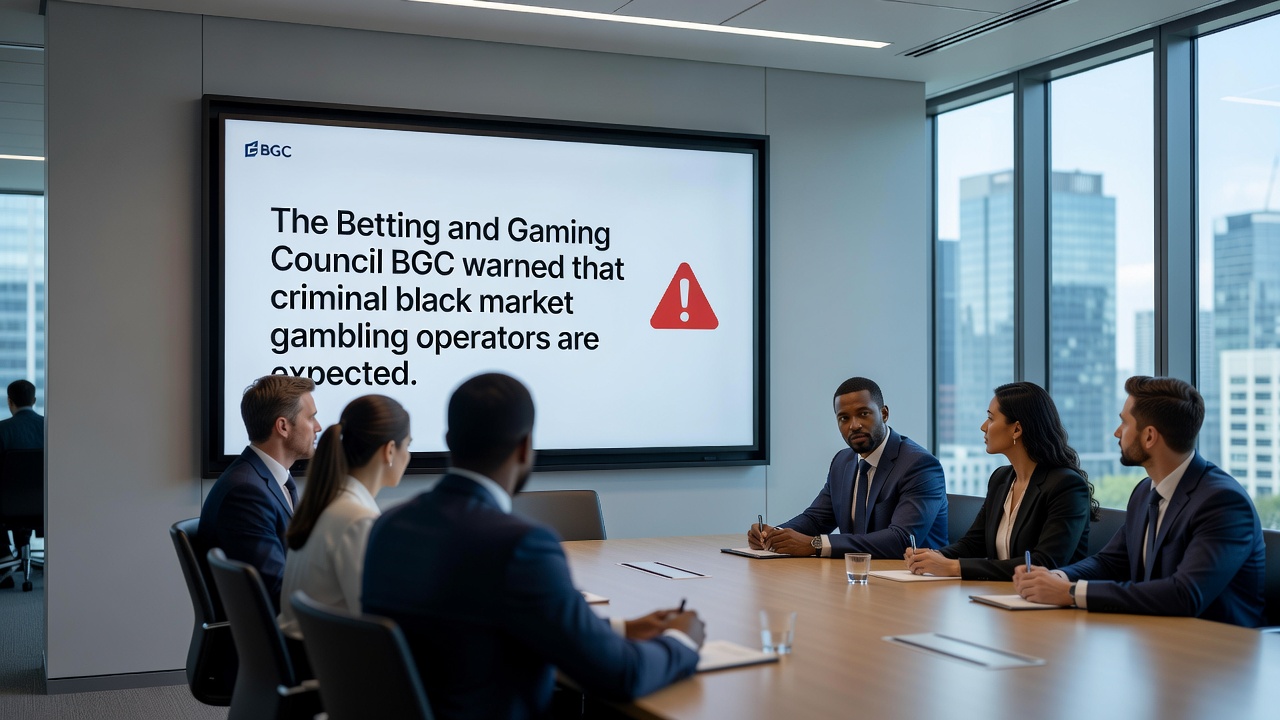
Miller didn't stop at fees; he spotlighted collaborations with platforms like Meta, where the Commission shares intelligence on illicit ads popping up on social feeds, leading to swift removals and account bans; this partnership, already yielding results in pilot phases, scales up in 2026 with automated detection tools that flag suspicious gambling promotions before they reach users.
Turns out, tech ties extend beyond social media—think AI-driven monitoring of payment flows and blockchain analytics to trace crypto-funded illegal bets; observers in the sector point to similar efforts in other jurisdictions, like Australia's use of platform data to block 80% of rogue sites within weeks, a model the UK now adapts.
People who've studied these alliances note how they create a multiplier effect; regulators gain real-time insights, platforms clean up their ecosystems, and ultimately, players steer clear of shady operators promising unrealistic odds or unlicensed slots.
Yet, challenges remain, since illegal actors pivot quickly to new channels, like private Telegram groups or deep-web forums; Miller's speech commits to expanding these pacts, potentially roping in more Big Tech players to cover emerging threats head-on.
Green Lights for Regulated Innovations
Amid the tough talk on enforcement, Miller struck an optimistic note for compliant businesses, backing innovations like crypto payments in regulated settings and physical sports books within casinos; he cited Paddy Power's setup at London's Hippodrome Casino as a prime, low-risk example, where bettors place wagers on live screens amid the slots and tables, all under strict oversight.
This isn't pie-in-the-sky stuff; the Hippodrome installation, operational for months now, demonstrates how in-person sports betting blends seamlessly with casino vibes without spiking problem gambling rates—data from on-site monitoring shows engagement stays controlled, thanks to ID checks and spend limits.
So, while crypto wallets raise eyebrows elsewhere, Miller clarified that licensed operators integrating them with KYC protocols get the nod; this stance aligns with post-Gambling Act Review tweaks, set to stabilize by March 2026, allowing the casino sector to experiment without fear of retroactive clamps.
Experts observing the casino world highlight how such permissions could revitalize brick-and-mortar venues; one study on hybrid models found physical sports books boosting footfall by 25% in comparable setups, drawing younger crowds who mix table games with match-day thrills.
That's where the rubber meets the road for casinos—balancing tradition with tech-forward features, all while the Commission draws a firm line between regulated progress and underground chaos.
Regulatory Stability on the Horizon
Miller wrapped his remarks with a pledge for stability once the Gambling Act Review's pillars lock in, particularly benefiting casinos navigating affordability checks and stake limits; no more whiplash from constant consultations, he assured, as the framework solidifies around March 2026, giving operators breathing room to invest confidently.
Those who've weathered past reforms recall the uncertainty that stalled expansions; now, with enforcement prioritized and innovations endorsed, the landscape tilts toward growth for the compliant, while illegal players face mounting pressure from fees-fueled pursuits and tech blockades.
It's noteworthy that this speech, timed for the BGC AGM, resonates across the board—from online giants to high-street bookies and casino floors; figures from industry trackers reveal regulated GGY holding steady despite economic headwinds, a testament to trust in the system Miller vows to fortify.
And in a nod to broader impacts, consumer protection weaves through every thread—safer ads, quicker interventions, and vetted novelties mean players flock to licensed venues, where odds are fair and help's a click away.
Conclusion
As the dust settles from Tim Miller's BGC AGM address, the UK's gambling scene braces for a 2026 defined by aggressive enforcement, smarter tech alliances, and a fees structure tuned for action; innovations like Paddy Power's Hippodrome sports book exemplify the rewards for playing by the rules, while regulatory calm post-March promises a steadier path forward.
Operators gear up for the 0.28% GGY levy, knowing it arms the Commission against the shadows; casinos, in particular, stand to gain from endorsed hybrids that draw crowds without the risks, all as illegal gambling feels the squeeze like never before.
The ball's in the industry's court now—adapt, innovate within bounds, and watch the regulated market thrive amid the crackdown.