Synchronized Free Spin Triggers: Understanding Mechanics in Progressive Mobile Platforms and Table Game Payout Implications
Written by Sofia Hartmann · Aug 6, 2026
Synchronized Free Spin Triggers: Understanding Mechanics in Progressive Mobile Platforms and Table Game Payout Implications
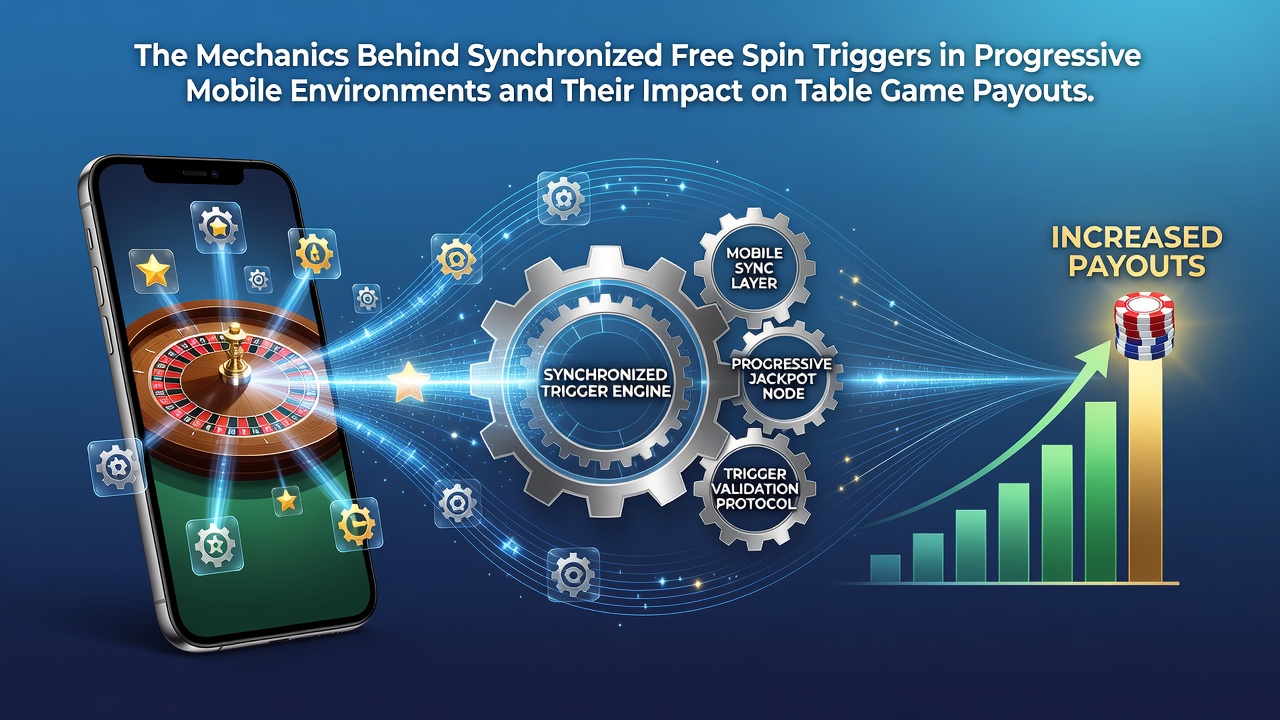
Developers design synchronized free spin triggers in progressive mobile environments through server-side algorithms that monitor player activity across multiple devices and games simultaneously, and these systems activate bonus rounds when collective contributions reach predefined thresholds in linked progressive pools. Data from mobile sessions feeds into central servers where random number generators determine outcomes, while the same infrastructure often handles contributions from table games that share the same ecosystem.
How Mobile Synchronization Operates
Engineers build mobile apps to communicate with backend platforms in real time, and this setup allows free spin triggers to align across users in different locations because the server tracks cumulative bets and time-based events rather than individual device clocks alone. Studies from research institutions indicate that these triggers rely on timestamp synchronization protocols and player segmentation data, whereas progressive meters update every few milliseconds to maintain consistency during peak usage periods in August 2026. Observers note that latency compensation techniques prevent desynchronization when network conditions vary, and this process keeps the free spin activation fair across regions.
Progressive Pool Interactions
Progressive mobile environments allocate portions of each wager from slots and table games into shared pools, and synchronized free spins draw from these pools when specific conditions such as total bet volume or jackpot seed levels are met. Researchers at the International Gaming Institute have documented how contribution rates from roulette or blackjack tables feed into the same progressive structures that power mobile slot bonuses, which means table game payout percentages adjust dynamically based on pool growth rates. Figures from industry reports reveal that operators configure these rates between 1% and 3% of table wagers to balance the frequency of free spin events without altering base game return-to-player values.
Effects on Table Game Payout Structures
Table game payouts experience indirect adjustments when synchronized free spin triggers activate because the shared progressive funds create cross-subsidization effects, and analysts track how increased mobile slot activity during bonus periods correlates with slight shifts in available jackpot allocations for table players. One study revealed that operators monitor these interactions through analytics dashboards to ensure regulatory compliance across jurisdictions, while data shows that payout volatility in games like baccarat or poker remains stable even as free spin events spike. What's interesting is that mobile environments allow for rapid recalculation of contribution splits, and this flexibility lets platforms respond to usage patterns observed in August 2026 without manual intervention.
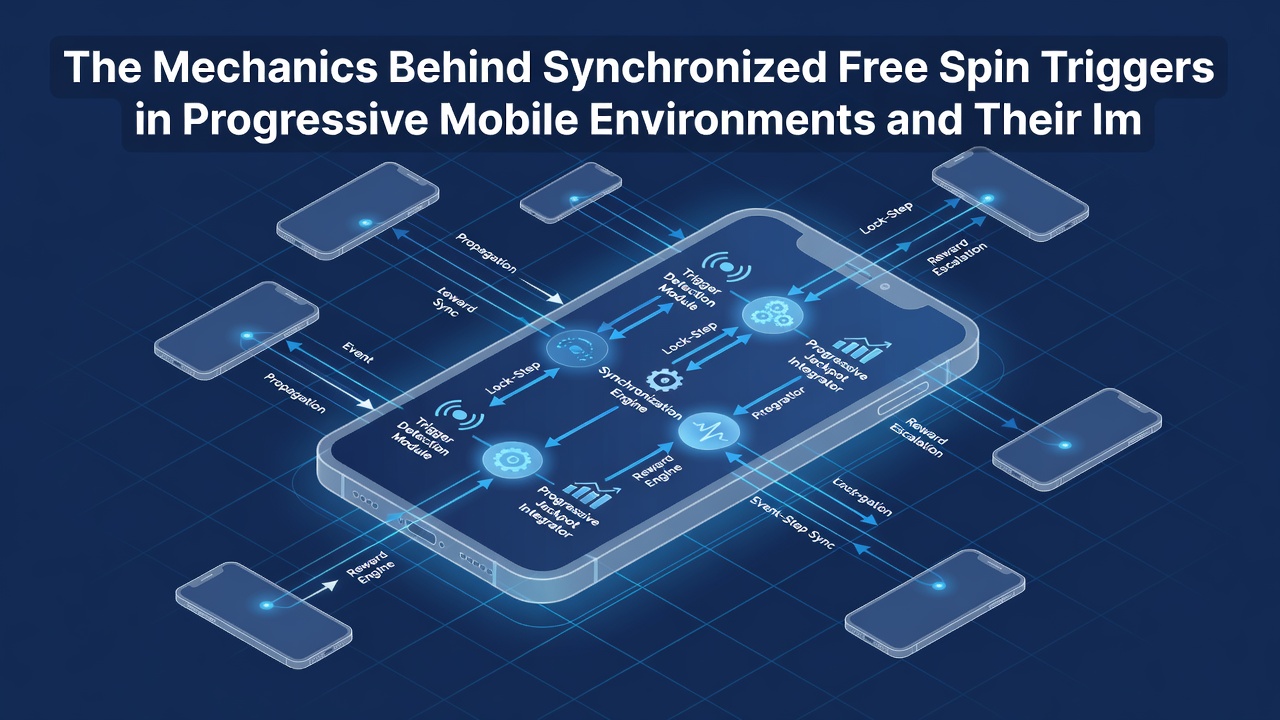
Technicians implement seed and reset mechanisms within the progressive system to stabilize table game returns after major free spin payouts occur, and these resets prevent long-term drift in overall house edges. Experts have observed that the integration of live dealer feeds with mobile progressive tracking adds another layer because real-time bets from table sessions update the same meters that control slot bonuses.
Technical Implementation Details
Developers use application programming interfaces to link mobile clients with centralized progressive servers, and these APIs handle the transmission of trigger signals while encrypting player data to meet security standards. Reports from academic sources at the University of Nevada indicate that testing protocols verify synchronization accuracy under simulated high-load conditions, whereas field data collected through August 2026 confirms that mobile environments maintain trigger consistency across iOS and Android platforms. And yet the underlying random number generator remains independent for each game type, which preserves the integrity of table game payouts even when free spins activate in coordinated waves.
Operators often segment player groups by region or activity level to fine-tune trigger probabilities, and this segmentation allows progressive pools to grow at different rates depending on mobile versus desktop participation. Data shows that such segmentation reduces the risk of jackpot clustering and supports steady payout distribution across both slot bonuses and table game side bets.
Conclusion
The mechanics behind synchronized free spin triggers integrate mobile progressive systems with table game economies through shared server infrastructure and contribution models, and continued monitoring by regulators and researchers ensures these interactions stay balanced. Industry organizations track performance metrics to refine these systems as usage evolves, which supports consistent experiences for players across platforms.