Mapping Reward Pathways in Hybrid Gaming: Linking Live Dealer Sessions to Automated Sequences Through Transaction Flexibility and Tiered Programs
Written by Parker Flores · Jun 16, 2026
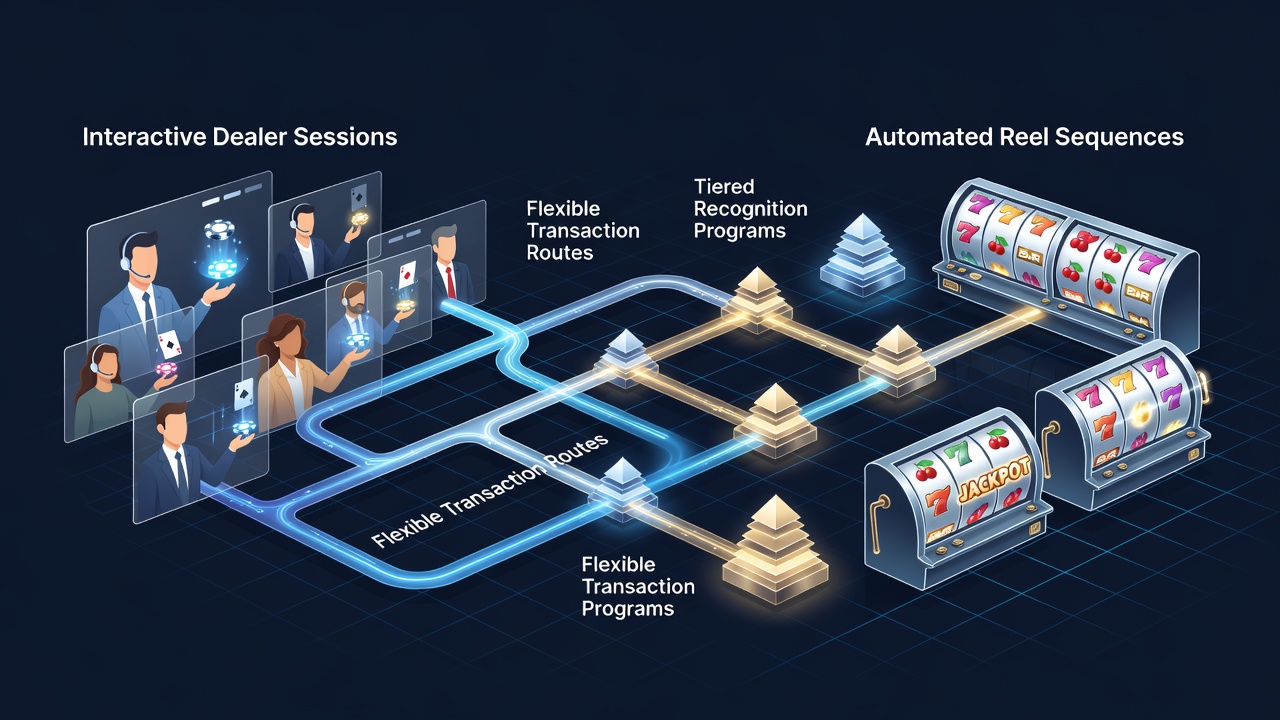
Mapping Reward Pathways in Hybrid Gaming: Linking Live Dealer Sessions to Automated Sequences Through Transaction Flexibility and Tiered Programs
Hybrid casino platforms continue to integrate live dealer sessions with automated reel sequences, creating reward chains that track player activity across both formats through adaptable transaction routes and structured recognition tiers, and operators in multiple jurisdictions have implemented these systems to consolidate player data from disparate game types into unified profiles.
Transaction flexibility plays a central role in these mappings because players can move funds between live tables and slot machines without separate verification steps, while tiered programs assign points based on combined activity rather than isolated sessions; data compiled by the Nevada Gaming Control Board shows steady growth in cross-format participation during the first half of 2026.
Transaction Routes That Enable Continuous Reward Tracking
Flexible transaction routes allow seamless movement of credits from interactive dealer tables to automated reels and back again, and these pathways typically rely on centralized wallets that update in real time so points accumulate without manual intervention from staff. Operators have observed that when routes remain open across formats, participation in loyalty tiers rises because players encounter fewer barriers when switching between game types.
Payment processors integrated into hybrid platforms handle these transfers through standardized APIs, which reduces latency and maintains accurate records for recognition programs, while systems deployed in Canadian provinces during early 2026 demonstrated that unified transaction logs cut reconciliation errors by measurable margins according to reports from provincial gaming authorities.
Tiered Recognition Programs and Their Role in Chain Formation
Tiered recognition programs categorize players into levels based on total activity across live dealer sessions and reel sequences, and higher tiers unlock accelerated point multipliers that apply equally to both formats rather than favoring one over the other. This structure encourages sustained engagement because participants see direct benefits when their combined play reaches defined thresholds.
Program rules often specify that points earned during dealer interactions convert at the same rate as those generated by automated sequences, which simplifies chain mapping for backend systems, and industry analyses from the Australian Gambling Research Centre have documented how such parity influences retention metrics across multi-format operators.
Technical Mapping of Reward Chains
Backend systems map reward chains by logging session identifiers from live tables alongside spin data from reels, then linking both streams through shared account identifiers that persist across transaction routes. This process relies on timestamp synchronization so that activity in one format immediately influences tier status visible in the other, and updates in June 2026 to several major platforms refined these linkages to handle higher volumes without lag.
Algorithmic matching identifies patterns such as consecutive live sessions followed by reel play, which then triggers bonus allocations under tier rules, while observers note that clearer mapping reduces disputes over point calculations because every transfer leaves an auditable trail.

Integration points between dealer software and reel engines pull data into a common repository where recognition engines calculate tier progression, and this repository supports queries that reveal how specific transaction sequences contribute to overall reward accumulation.
Regulatory Context Across Jurisdictions
Regulatory frameworks in regions outside the United Kingdom have addressed reward chain transparency by requiring operators to disclose how points transfer between formats, and the Nevada Gaming Control Board updated its reporting standards in 2026 to include cross-format activity summaries. Similar guidelines from gaming commissions in several Australian states emphasize audit trails that cover both live and automated segments.
These requirements ensure that tiered programs operate without hidden restrictions on transaction routes, and compliance teams use mapped data to demonstrate adherence during periodic reviews. Figures released by provincial regulators in Canada during spring 2026 indicated that platforms with transparent chain mapping encountered fewer compliance queries than those relying on fragmented tracking.
Implementation Examples From Major Platforms
One North American operator introduced unified wallets in late 2025 that automatically route winnings from dealer sessions into reel play credits, and this change aligned with existing tier structures so players advanced through levels based on total handle rather than format-specific metrics. Another platform operating in multiple Australian markets adjusted its recognition tiers in June 2026 to award bonus spins after a defined sequence of live table activity followed by reel engagement.
These examples illustrate how mapping reward chains supports operational consistency across different regulatory environments, and industry reports highlight measurable increases in session length when transaction flexibility removes friction between formats.
Conclusion
Reward chain mapping between interactive dealer sessions and automated reel sequences depends on flexible transaction routes and tiered recognition programs that treat activity as cumulative rather than segmented, and systems deployed through mid-2026 continue to refine these connections to meet both operational and regulatory demands across varied jurisdictions. Data from multiple sources shows that unified tracking supports clearer progression through recognition tiers while maintaining compliance with regional standards.