Mapping Bonus Routes: How Deposit Methods Steer Rewards Across Games and Pooled Jackpots in Mobile Casino Settings
Written by Parker Flores · May 21, 2026
Mapping Bonus Routes: How Deposit Methods Steer Rewards Across Games and Pooled Jackpots in Mobile Casino Settings
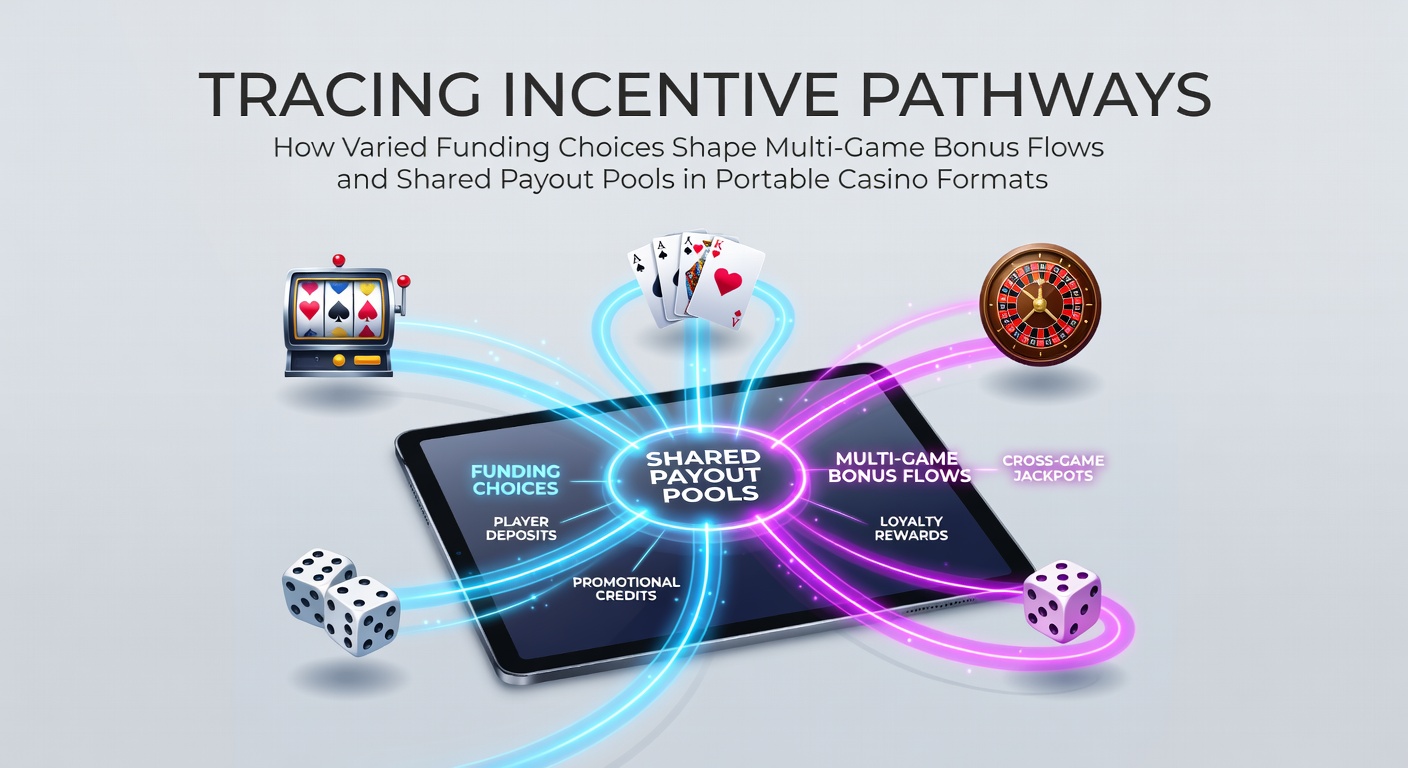
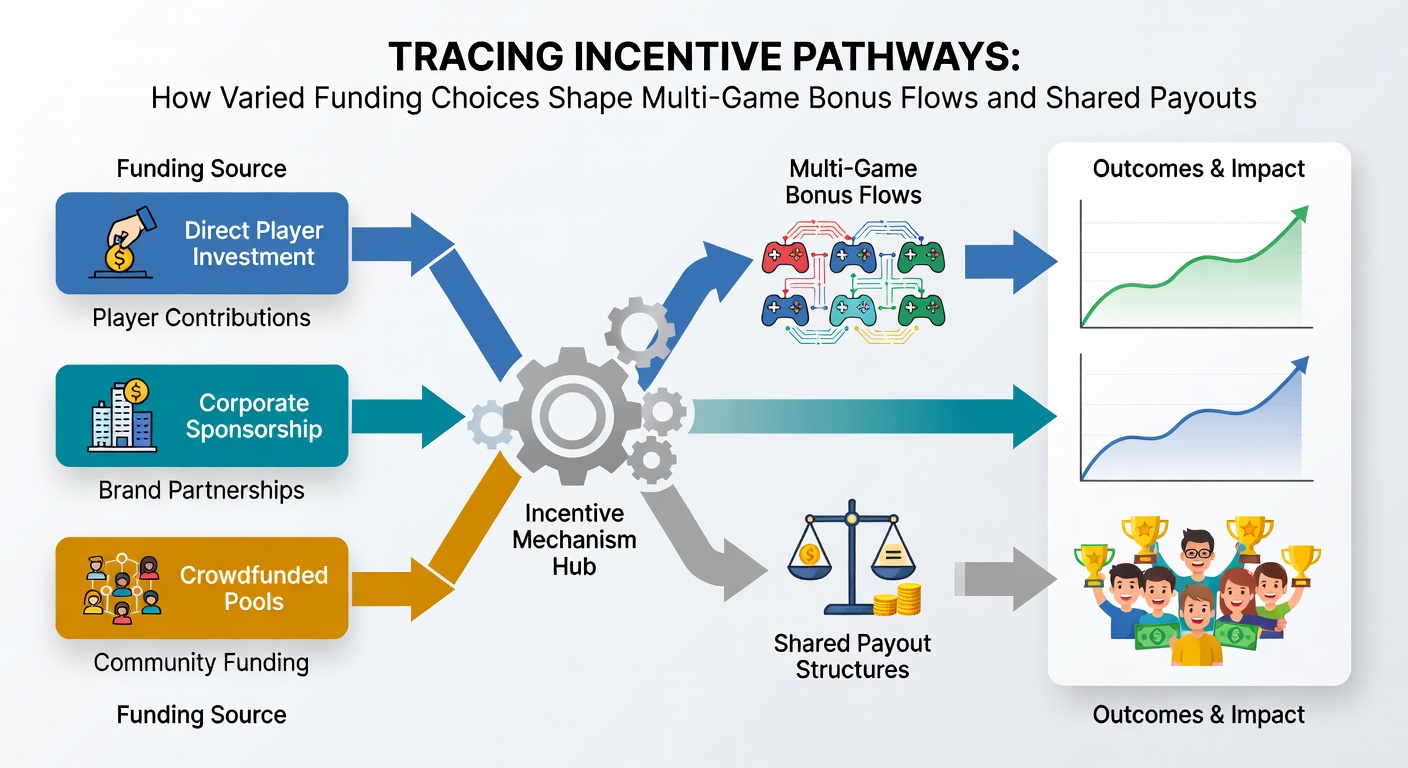
Funding selections at mobile casinos determine the direction and speed of bonus movements between slots, table games, and live dealer rooms while also feeding into collective payout pools that span multiple titles. Research from industry analysts shows that credit card deposits often route directly into progressive systems shared across portable platforms, whereas e-wallet transfers create separate bonus streams that players can allocate to specific game categories before those contributions merge into larger reward networks.
Tracing Deposit Pathways Through Game Categories
Portable casino systems track each funding source as it enters player accounts and then disperses into different entertainment sections. Bank transfer deposits, for instance, frequently activate multi-game bonuses that apply simultaneously to video slots and roulette tables, allowing accumulated points to contribute toward shared jackpot meters that grow from activity across several titles at once. Data indicates that cryptocurrency options accelerate these flows because transactions settle faster and trigger immediate bonus releases that users direct toward live dealer sessions without the delays associated with traditional processors.
Observers note that instant payment services create distinct incentive trails where initial deposits unlock free spin packages on mobile slots that later convert into credits usable in table game environments. These converted credits then feed back into pooled payout structures that distribute winnings based on overall contribution volume rather than isolated game performance. Studies conducted by research institutions in North America reveal that such mechanisms maintain balance across game libraries while encouraging continued play in hybrid formats available on smartphones and tablets.
Shared Payout Pools and Cross-Game Contributions
Collective jackpot systems in portable environments rely on funding method data to allocate portions of each deposit into central prize reservoirs. When players choose prepaid card options, portions of those funds move into progressive pools that connect mobile slot progressives with live dealer jackpot opportunities, creating unified reward structures that pay out across device types. Figures from European gaming reports demonstrate that these pools expand more rapidly when deposits arrive through methods that carry lower transaction fees, freeing larger amounts for redistribution rather than processing costs.
One case examined by analysts at a Canadian research center illustrated how debit card funding led to bonus allocations that split evenly between slot machines and blackjack tables before merging into a shared pool. That pool then released payouts during peak mobile usage periods in early 2026, highlighting the efficiency of integrated tracking systems that monitor every contribution regardless of originating payment channel.
Regional Developments Shaping Incentive Structures in May 2026
By May 2026 regulatory updates in several jurisdictions began influencing how portable casino operators design their funding-to-bonus pipelines. Australian oversight bodies introduced guidelines requiring clearer disclosure of how different deposit types affect access to cross-game rewards and pooled jackpots. These rules prompted platforms to adjust their systems so that players receive transparent breakdowns of bonus eligibility based on the chosen funding route before any transfer completes.
Industry associations in the United States reported that operators using real-time payment rails saw increased participation in shared progressive networks during the same period. Mobile users directing funds through these rails gained quicker entry into bonus cycles that span slots, video poker, and live dealer tables, with contributions accumulating toward collective payout events scheduled across weekends and major sporting calendars. Such patterns suggest that payment speed directly correlates with the volume of funds entering multi-game reward streams.
Practical Examples of Pathway Management
Take one operator that implemented segmented bonus ledgers tied to specific funding sources. Players depositing via digital wallets received credits earmarked first for table game play, after which any unused portions rolled automatically into progressive slot pools without manual intervention. This automated redirection maintained steady growth in shared prize funds while giving users flexibility to explore different portable casino sections during single sessions.
Another example surfaced when a platform integrated loyalty tracking that recorded the precise moment each deposit type activated a bonus flow. Those records showed that prepaid voucher deposits generated the highest conversion rates into live dealer jackpot contributions, because users tended to apply those bonuses immediately rather than holding them for later use. Aggregated data from multiple platforms confirmed similar trends across various portable formats available to international audiences.
Conclusion
Payment method selection continues to guide how bonuses travel through portable casino ecosystems and merge into collective payout pools that benefit players across multiple game types. Evidence from regulatory updates and operational reports through May 2026 underscores the technical connections between deposit speed, bonus allocation, and jackpot growth in mobile environments. As systems evolve, the pathways become more visible through improved tracking tools that operators deploy to maintain fairness and transparency in reward distribution.