Loyalty Program Tiers Reshaping Participation in Progressive Slot Networks and Live Table Sessions
Written by Nils Schröder · Jul 30, 2026
Loyalty Program Tiers Reshaping Participation in Progressive Slot Networks and Live Table Sessions
Data from multiple gaming jurisdictions shows tiered loyalty programs continue to influence how players allocate time between progressive slot networks and live table game sessions, with measurable shifts in participation rates tracked through operator reporting systems.
Program Structures and Player Segmentation
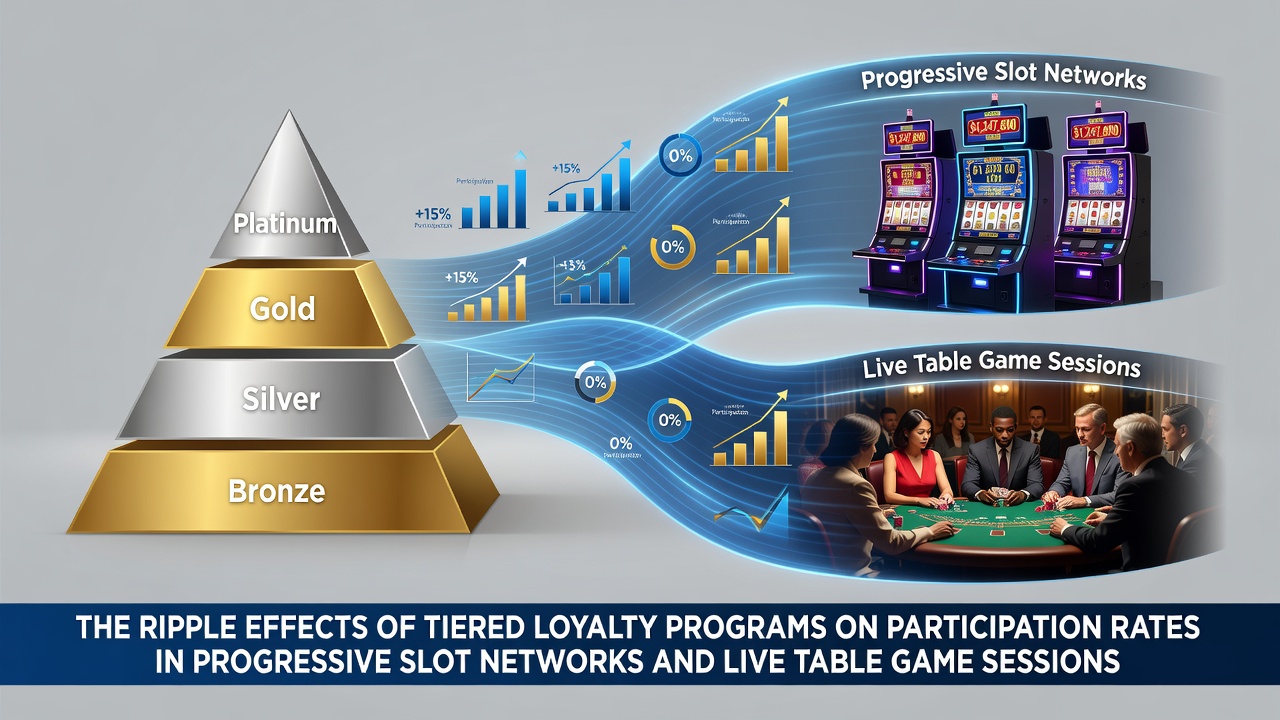
Operators segment participants into multiple reward levels based on play volume, and each tier unlocks distinct benefits that apply across both slot and table offerings. Entry-level tiers typically provide basic point accumulation while higher tiers deliver accelerated multipliers, exclusive access periods, and personalized offers tied to progressive jackpot contributions or table minimums. Industry reports indicate these layered incentives create distinct behavioral patterns where players adjust session lengths to maintain or advance their status.
According to figures released by the American Gaming Association, properties operating multi-tier systems recorded average increases in tracked play hours during the first half of 2026, with the largest gains appearing in linked progressive networks that share contributions across multiple sites. Observers note that players frequently concentrate activity in progressive slots to accumulate qualifying points faster, particularly when tier advancement unlocks higher jackpot eligibility or reduced house edges at tables.
Effects on Progressive Slot Networks
Participation data collected from wide-area progressive systems reveals that tiered rewards correlate with higher coin-in volumes during promotional windows. Players at mid-tier levels often extend sessions to meet contribution thresholds that feed shared jackpots, and the structure encourages repeat visits because point resets occur monthly or quarterly. Research conducted by the University of Nevada's gaming studies department found that networks linking multiple casinos experienced participation rate lifts of 12 to 18 percent among loyalty members compared with non-members during equivalent periods in prior years.
Operators adjust progressive seed amounts and contribution percentages based on observed tier distribution, and this feedback loop can amplify activity when higher-tier players receive bonus entries into secondary draws funded by the same networks. In July 2026, several major operators implemented synchronized tier resets across their slot floors, resulting in documented spikes in network-wide handle during the subsequent 30 days.
Shifts in Live Table Game Participation
Live table sessions show different response patterns because point earning rates vary by game type and bet size. Blackjack and roulette tables often award points at rates that allow faster tier progression than many slot titles, prompting some players to alternate between formats within a single visit. Data compiled by the Nevada Gaming Control Board indicates table game drop among loyalty members rose in properties where tier benefits included waived minimums or complimentary bet matching during peak hours.
Yet participation does not increase uniformly across all tiers. Lower-tier members demonstrate steadier attendance at tables when promotions tie directly to progressive slot play, while top-tier participants sometimes reduce table time in favor of high-denomination slots that accumulate points more efficiently. Industry analysts tracking these movements report that cross-format incentives help maintain overall engagement even when individual game categories experience temporary dips.
Cross-Format Ripple Effects and Retention Metrics
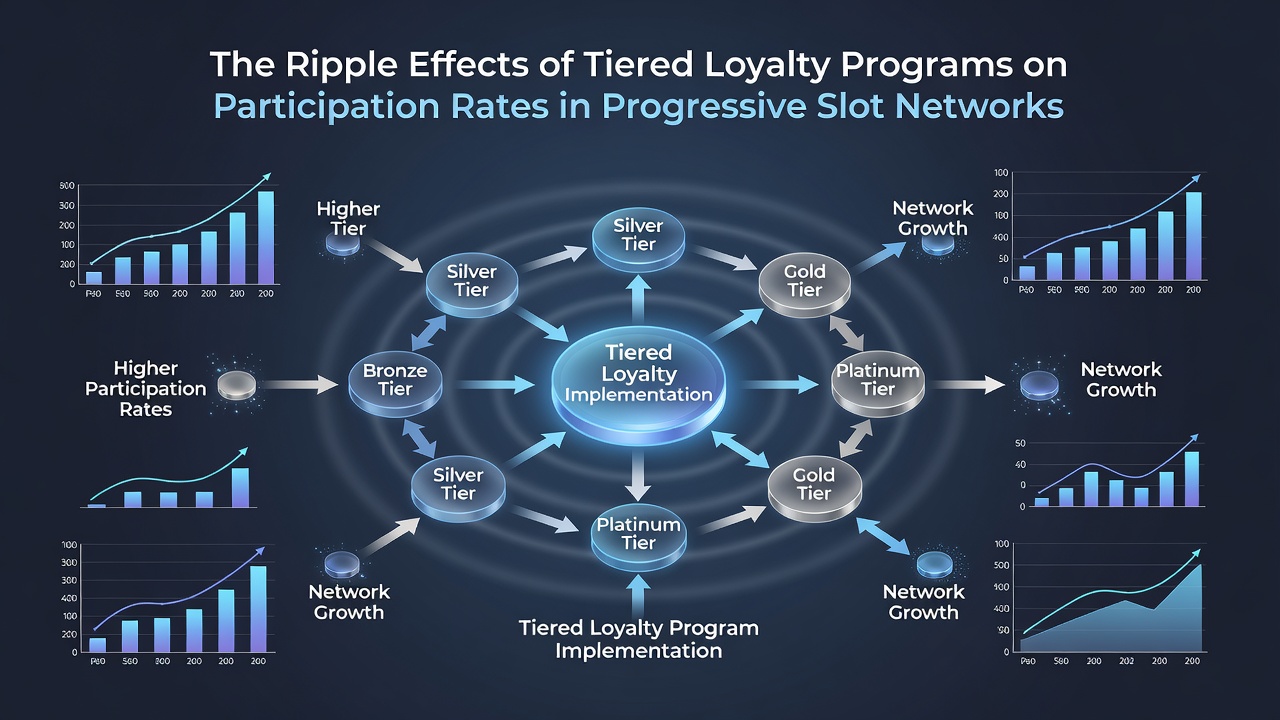
Operators document that players who advance through loyalty tiers tend to diversify their activity between progressive slots and tables rather than remaining fixed on one format. Retention studies from Australian gaming regulators show multi-format participants maintain active accounts for longer intervals, and tier status serves as a predictor of return frequency. When benefits such as free slot play or table match-play credits are distributed based on combined activity, participation rates in both categories remain more stable during seasonal fluctuations.
Reports from the Canadian Gaming Association highlight that properties offering unified tier tracking across online and land-based channels see stronger crossover effects, with progressive slot contributions from digital sessions counting toward table game perks at physical locations. These integrated systems reduce attrition because players perceive continuous progress regardless of platform choice.
Measurement Approaches and Recent Data Trends
Casino management systems capture granular metrics including average bet size, session duration, and tier status at the start of each visit. Analysts compare these figures against control groups of non-loyalty players to isolate program impact. In 2026, several jurisdictions began requiring operators to submit tier-specific participation breakdowns as part of routine regulatory filings, providing broader datasets for trend analysis. Preliminary aggregates released in July 2026 indicated that mid-tier players accounted for disproportionate growth in progressive network contributions while top-tier players drove incremental table game volume during evening shifts.
These patterns suggest tiered structures function as dynamic allocation tools that operators refine through ongoing observation of player movement between game categories. Continued collection of segmented data will clarify how adjustments to point earning rates or benefit thresholds influence long-term participation across both progressive slots and live tables.
Conclusion
Tiered loyalty programs generate measurable shifts in how participants distribute activity between progressive slot networks and live table game sessions, with data from regulatory filings and industry associations documenting changes in volume, session length, and format crossover. Continued monitoring through standardized reporting will track whether these patterns persist as operators refine benefit structures and as new measurement requirements take effect in multiple regions.