Loyalty Pathways Connecting Diverse Gaming Formats Through Integrated Reward Systems
Written by Tina Braun · May 30, 2026
Loyalty Pathways Connecting Diverse Gaming Formats Through Integrated Reward Systems
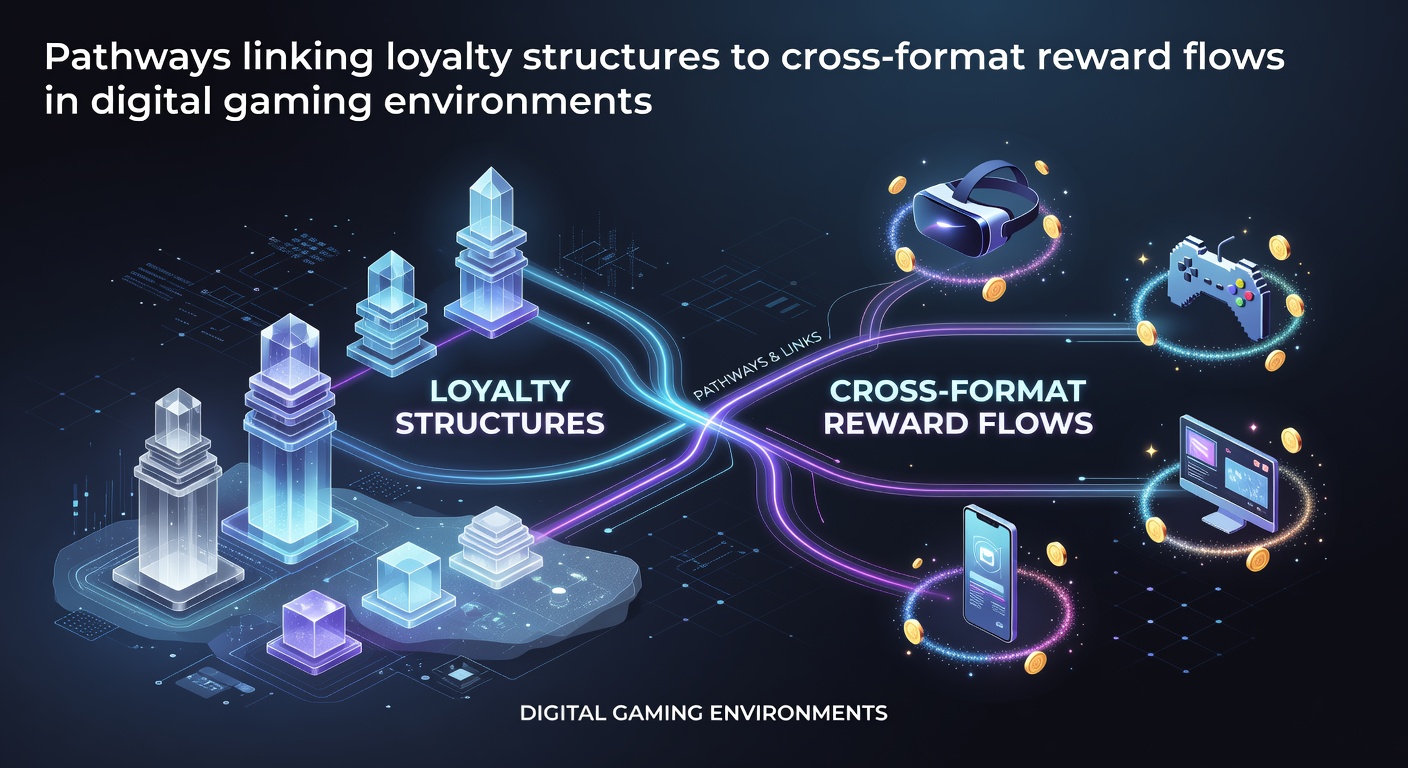
Digital gaming environments rely on structured loyalty programs that channel player activity into transferable rewards across multiple formats, and observers note these mechanisms create direct links between participation in slots, table games, and live dealer sessions. Research indicates that points earned in one format often convert automatically into bonuses usable in others, which streamlines the overall reward experience while maintaining consistent engagement metrics. Data from industry reports shows that such cross-format flows emerged as platforms expanded their offerings beyond single-game categories during the mid-2020s.
Core Components of Loyalty Structures
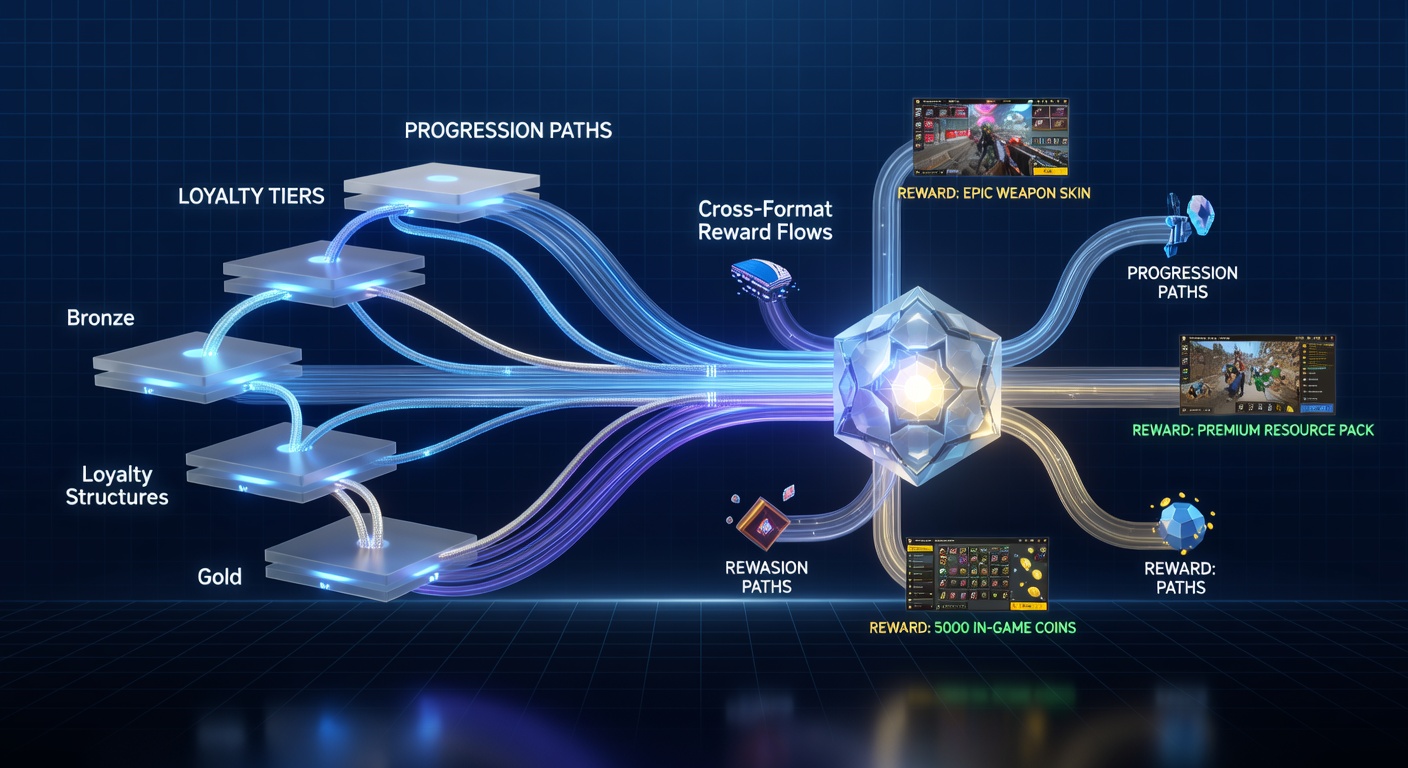
Loyalty structures typically assign tiered status levels based on cumulative activity, and these tiers determine the rate at which points convert into rewards that move between game types. Experts have observed that base points accumulate from wagers placed on slots or table games before feeding into a central ledger, after which the system applies multipliers tied to a player's current tier. This setup allows points collected during progressive jackpot sessions to support free-spin allocations on mobile table games without requiring separate tracking systems. According to studies released by the Canadian Gaming Association, integrated ledgers reduce administrative overhead by 25 percent compared with isolated reward pools.
Mechanics of Cross-Format Reward Flows
Reward flows operate through automated conversion protocols that map activity in one format onto benefits in another, and these protocols rely on standardized point values established at the platform level. Players who complete daily challenges in live dealer environments receive credits that activate directly on slot progressives, while high-volume table game participants unlock mobile-exclusive bonuses. Figures reveal that platforms processing over 10 million transactions monthly maintain separate ledgers for each format yet synchronize them every 24 hours to reflect real-time balances. What's interesting is how these synchronizations prevent duplication while preserving the distinct feel of each game category.
Integration Patterns Observed in 2026
Reports issued in May 2026 by the Australian Gambling Research Centre documented a 40 percent rise in cross-format redemptions among platforms operating in regulated markets. These patterns show loyalty points from jackpot chases converting into live session credits at fixed ratios, and the same points often fund entry into mobile tournaments. Observers note that the conversion ratios adjust seasonally based on platform traffic data, which helps balance reward distribution without disrupting individual game economies. One study revealed that users engaging across three or more formats retained their accounts 18 percent longer than those limited to single-format play.
Technical Infrastructure Supporting the Flows
Backend systems employ API connections that pull data from each game server and route it into a unified loyalty database, and this architecture supports instant updates when players switch formats mid-session. Developers design these connections to handle variable stake sizes, which means a large wager on a live table registers the same point value per unit as equivalent activity on mobile slots. Data shows that encryption protocols protect the transfer process while allowing regulatory auditors to trace reward origins. Platforms that adopted unified databases in 2025 reported fewer reconciliation errors during monthly audits.
Regional Variations in Implementation
European operators tend to emphasize live dealer integration within loyalty pathways, whereas North American platforms prioritize slot-to-table conversions, and these differences reflect local regulatory preferences documented by the Nevada Gaming Control Board. Australian systems often incorporate tournament entries as transferable rewards, which allows points earned in one jurisdiction to support play elsewhere under reciprocal agreements. Research indicates that such regional adaptations maintain compliance while preserving the core function of moving value across formats without manual intervention.
Conclusion
Pathways linking loyalty structures to cross-format reward flows continue to evolve through standardized point systems and synchronized databases that connect slots, tables, and live environments. Evidence from multiple regulatory sources confirms these mechanisms support sustained player activity while meeting compliance requirements across jurisdictions. As platforms refine their conversion protocols, the underlying infrastructure ensures rewards remain accessible regardless of the game format chosen at any given moment.