Cross-Platform Reward Systems: Transaction Flexibility Unites Table Play, Progressives, and Loyalty Programs
Written by Parker Flores · Jun 18, 2026
Cross-Platform Reward Systems: Transaction Flexibility Unites Table Play, Progressives, and Loyalty Programs
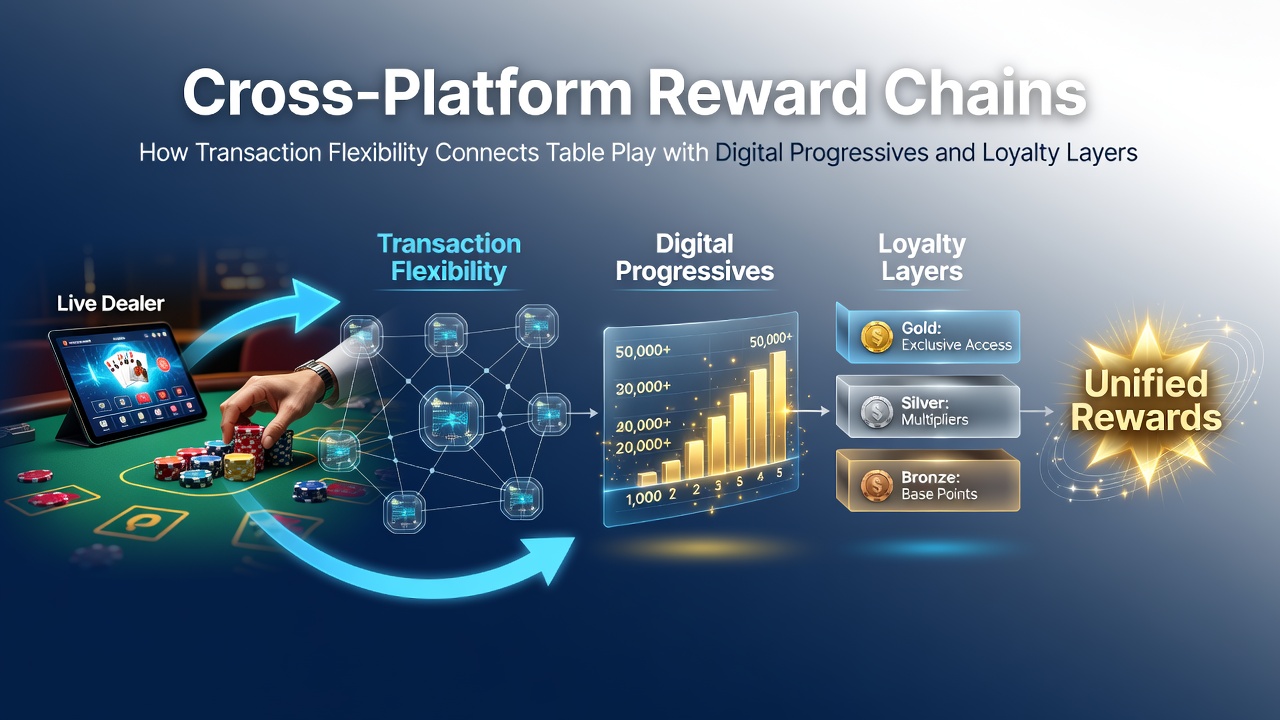
Cross-platform reward chains operate by linking activity across physical table games, digital progressive slots, and multi-tier loyalty structures through flexible transaction mechanisms that track and convert value in real time. These systems allow points earned at a blackjack table to contribute directly to progressive jackpot pools while simultaneously advancing a player's status within a unified loyalty framework. Data from industry reports indicate that such integration has expanded since 2024 as operators adopt unified ledgers capable of handling both cash and digital credits across channels.
Transaction flexibility forms the core mechanism, enabling seamless transfers between on-site purchases, online deposits, adn reward redemptions without separate accounts or delayed processing. Observers note that this approach reduces friction by permitting a single wallet to service bets placed at physical tables, contributions to linked progressive meters, and accumulation toward loyalty tiers. Research from the University of Nevada's International Gaming Institute shows that casinos implementing these chains recorded higher player retention rates during 2025 testing phases, particularly where instant conversion between table play credits and digital progressive entries occurred.
Mechanics of Transaction Flexibility in Hybrid Environments
Operators achieve this connectivity through centralized transaction engines that process inputs from card readers at tables, mobile apps, and slot interfaces simultaneously. A player who places a wager on roulette can have a portion of that bet allocated automatically to a progressive jackpot pool, with the remainder credited toward loyalty points that unlock tier benefits across both land-based and online platforms. This process relies on API connections that update balances within seconds, allowing the same funds to influence multiple reward layers without manual intervention.
Studies conducted by the Gaming Standards Association reveal that standardized protocols introduced in early 2025 facilitated broader adoption of these chains by permitting different casino management systems to share transaction data securely. Those protocols support features such as dynamic allocation, where the percentage directed to progressives versus loyalty accounts adjusts based on predefined rules set by the operator. In June 2026 several major platforms reported expanded use of these standards following regulatory approvals in multiple jurisdictions outside the UK.
Connecting Table Play to Digital Progressives
Table game activity feeds into digital progressive systems when transaction records trigger contributions to shared jackpot meters. For instance, a percentage of each blackjack hand can increment a progressive pool accessible via mobile slots, creating a direct pathway from physical play to online jackpot opportunities. Evidence from operator case studies demonstrates that this linkage increases overall system participation because players see value accumulating from every channel they use.
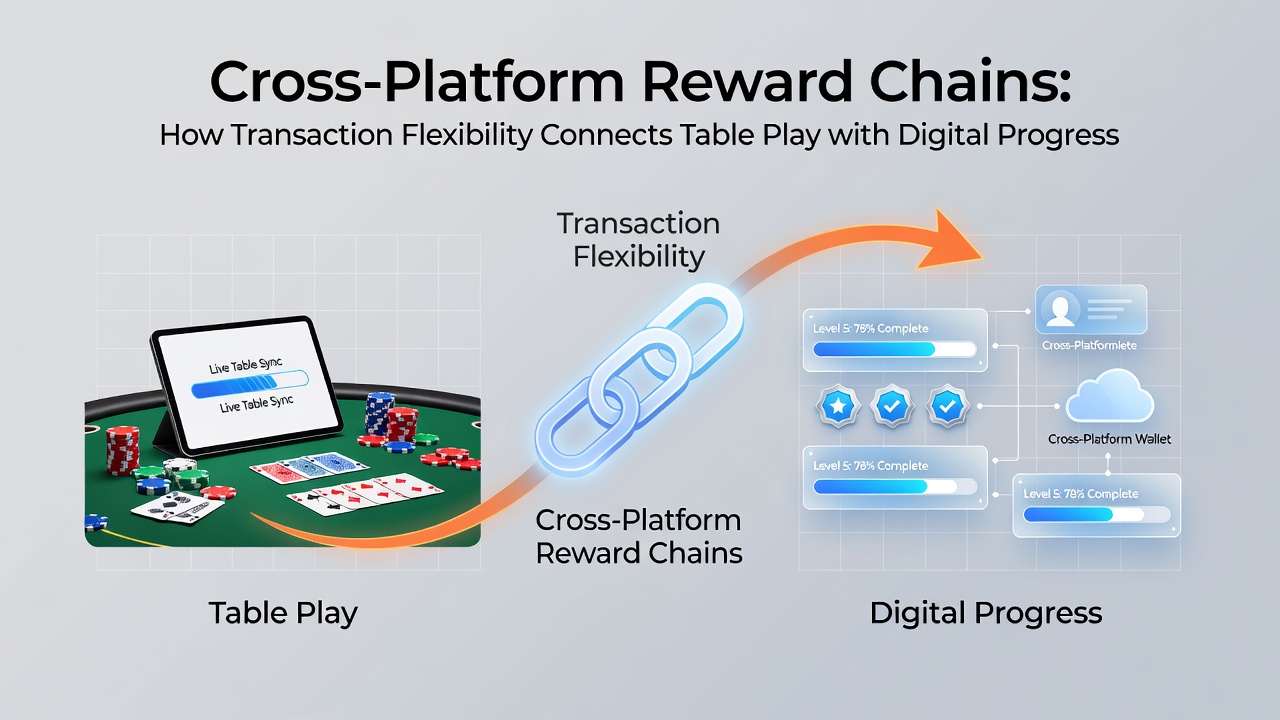
Digital progressives benefit from the added volume generated by table play contributions, which can accelerate meter growth and produce more frequent payouts. Reports compiled by the American Gaming Association indicate that hybrid progressive networks incorporating table game feeds experienced measurable increases in jackpot hit frequency during 2025. The connection also works in reverse, with winnings from digital progressives convertible back into table credit or loyalty status upgrades through the same flexible transaction layer.
Integration of Loyalty Layers Across Platforms
Loyalty programs gain depth when they sit atop these transaction chains, recognizing activity from tables, progressives, and other games within a single point system. Points earned through table play can accelerate tier advancement that then applies to bonus eligibility on digital slots, while progressive wins may grant instant loyalty boosts. This layered approach relies on real-time data synchronization to ensure that status changes reflect across all touchpoints without delay.
Analysts tracking adoption patterns have documented that loyalty layers connected via flexible transactions show improved engagement metrics, as players receive unified statements detailing contributions from every platform. Trade data collected by the Canadian Gaming Association highlights examples where tiered rewards tied to cross-platform activity led to extended session lengths in both physical and digital environments during 2025 trials. The structure also permits targeted offers, such as bonus credits triggered by combined table and progressive activity, delivered through the same transaction infrastructure.
Implementation Considerations and Reported Outcomes
Successful deployment requires robust security measures to protect transaction integrity across physical and digital boundaries. Encryption standards and audit trails ensure that contributions to progressives and loyalty accounts remain accurate and traceable. Industry documentation from the Australian Communications and Media Authority notes that operators adopting these systems in 2025 invested in enhanced verification processes to maintain compliance while enabling the required flexibility.
Outcomes reported through 2026 include expanded player reach, with chains allowing activity in one venue to influence rewards available in another. Data indicates measurable growth in progressive pool sizes when table play feeds are included, alongside higher redemption rates for loyalty benefits. These developments reflect ongoing refinement of transaction systems rather than any single breakthrough event.
Conclusion
Cross-platform reward chains demonstrate how transaction flexibility serves as the connective tissue between table play, digital progressives, and loyalty structures. By processing contributions and redemptions through unified mechanisms, these systems create pathways that span physical and digital environments. Continued evolution of the underlying protocols, supported by standards bodies and research institutions, sustains the expansion of such integrated reward frameworks across the sector.