Cross-Platform Loyalty Frameworks Connecting Table Outcomes to Portable Progressive Pools via Tiered Promotion Layers
Written by Nils Schröder · Aug 8, 2026

Cross-Platform Loyalty Frameworks Connecting Table Outcomes to Portable Progressive Pools via Tiered Promotion Layers
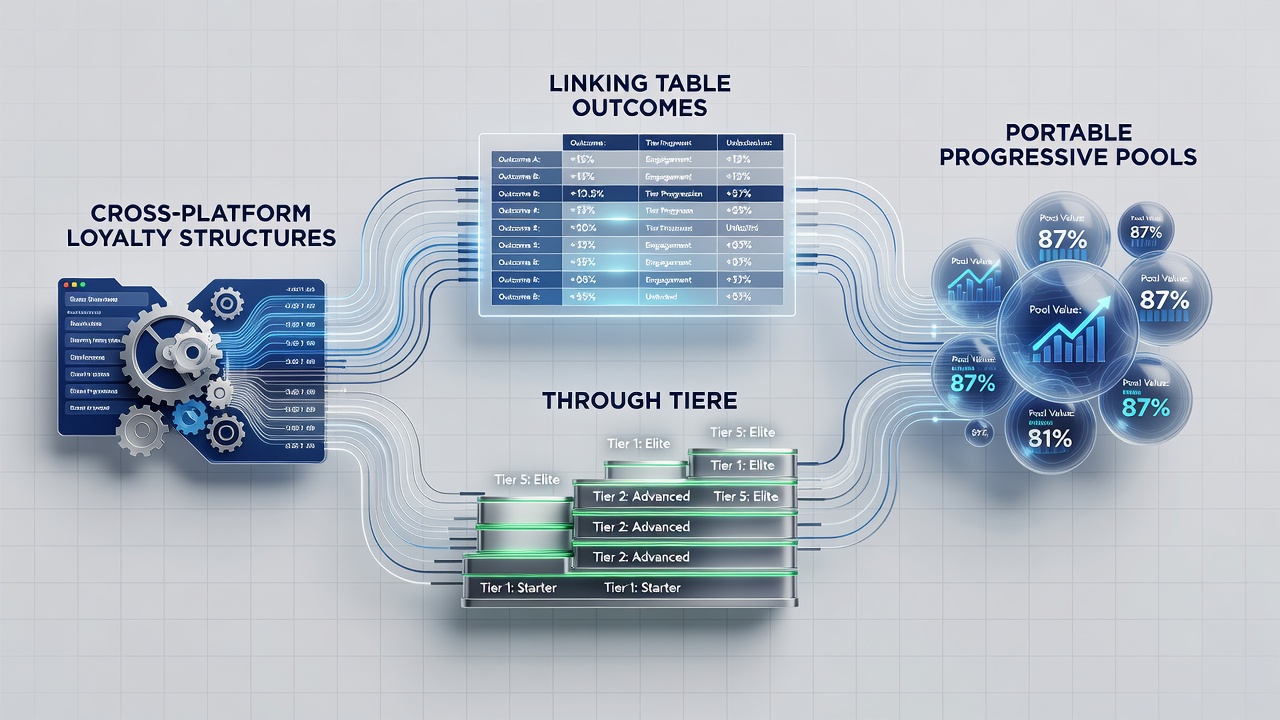
Operators have developed loyalty frameworks that transfer results from table games into portable progressive pools, and these systems operate through multiple promotion layers that adjust rewards based on player activity across devices. Data from industry reports shows that such structures emerged in response to increased demand for seamless experiences between land-based tables and mobile slots, with systems tracking outcomes like wins on blackjack or roulette and converting them into contributions toward shared jackpot pools accessible via apps or web platforms.
Mechanics of Outcome Linking
Table game results feed directly into progressive pools through integrated software that monitors bets, payouts, and session lengths, then allocates portions of those outcomes to portable accounts. Researchers at gaming technology firms note that each wager on a table contributes a small percentage to a central pool, while the portable element allows players to access accumulated progress on smartphones or tablets without resetting the meter. Tiered layers activate at specific thresholds, such as silver, gold, or platinum levels, where higher tiers unlock faster contribution rates or bonus multipliers that apply to both table results and mobile progressive entries.
Systems like these rely on centralized databases that synchronize data in real time, and operators report that this synchronization prevents duplication of progress across platforms. According to findings from the American Gaming Association, linked structures have appeared in multiple jurisdictions since 2024, with adoption rates rising as regulators approve cross-device tracking protocols.
Tiered Promotion Layers in Practice
Promotion layers stack on top of basic loyalty points, and each layer adds rules that scale rewards based on total activity volume. Entry-level tiers might convert 1 percent of table losses into progressive contributions, whereas advanced tiers increase that rate to 3 percent while adding free entries to mobile jackpot draws. Observers note that these layers also incorporate time-based elements, such as monthly resets that carry forward partial progress for active users who maintain minimum play volumes.
One implementation example involves a network of casinos where table outcomes from evening sessions automatically update portable pools visible in mobile apps the following morning. This process uses encrypted APIs to move data securely, and figures from operator logs indicate average pool growth of 12 to 18 percent monthly when tiered incentives remain active. The structure further ties promotions to specific game types, so blackjack results might weight more heavily toward certain progressive categories than poker hands.
Implementation Across Regions
Deployment varies by regulatory environment, with some areas requiring separate licensing for the linked progressive component and others permitting unified approvals. In August 2026, several North American operators expanded these frameworks following updates to interstate gaming compacts that standardized data-sharing requirements. European markets have followed similar paths, though with stricter rules on player data portability that mandate explicit consent before table results transfer to mobile pools.
Industry organizations such as the Canadian Gaming Association have published guidelines that outline minimum standards for audit trails in these systems, ensuring every contribution from a table session traces back to its source. Those guidelines emphasize transparent calculation methods so players can verify how their activity affects portable balances.
Technical Integration and Data Flow
Software platforms handle the flow by assigning unique identifiers to each player account, then routing table data through middleware that applies tier multipliers before depositing value into the progressive pool. Active voice descriptions from developers highlight that the middleware also manages portability by generating temporary tokens that allow mobile apps to read and update the same pool without direct database access. This reduces latency and maintains consistency across sessions that span physical and digital environments.
Studies from research institutions indicate that error rates in these transfers have dropped below 0.5 percent in mature deployments, largely due to redundant verification steps built into the tiered layers. The layers themselves function as conditional gates, releasing additional features only after players satisfy both volume and frequency criteria.
Conclusion
Cross-platform loyalty structures continue to evolve as operators refine the connections between table outcomes and portable progressive pools through increasingly detailed tiered promotion layers. Regulatory bodies in multiple regions have begun incorporating these mechanisms into broader compliance frameworks, while technical standards from industry groups support consistent implementation. Data collected through 2026 shows sustained growth in player engagement metrics where such systems operate, with synchronization between platforms remaining a central focus for future updates.