Cross-Platform Integration of Payment Systems and Reward Structures in Gaming
Written by Tina Braun · Jul 7, 2026
Cross-Platform Integration of Payment Systems and Reward Structures in Gaming
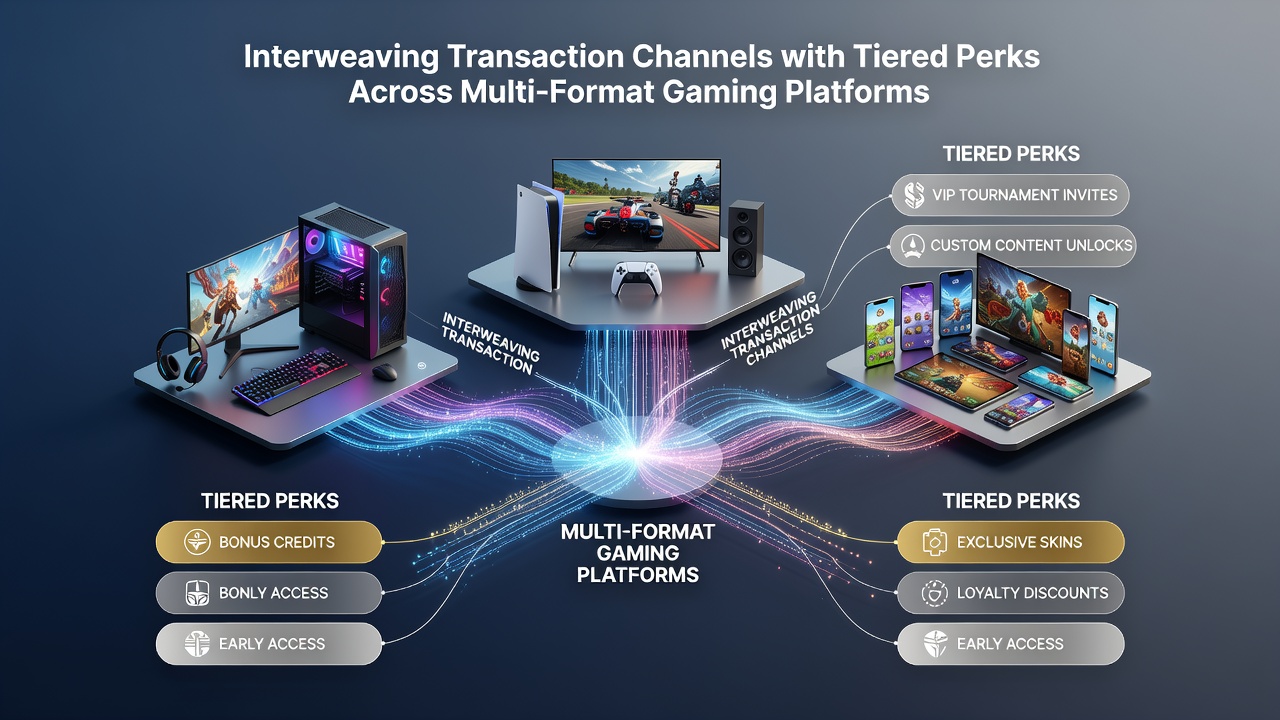
Platforms now combine multiple payment methods with layered reward programs that adapt to player activity across mobile apps, desktop sites, and live dealer environments. This approach allows users to move between formats while maintaining consistent access to deposits, withdrawals, and accumulating benefits. Data from industry reports shows that such integrations have increased session continuity by linking transaction histories directly to personalized perk tiers.
Payment Channel Connectivity Across Formats
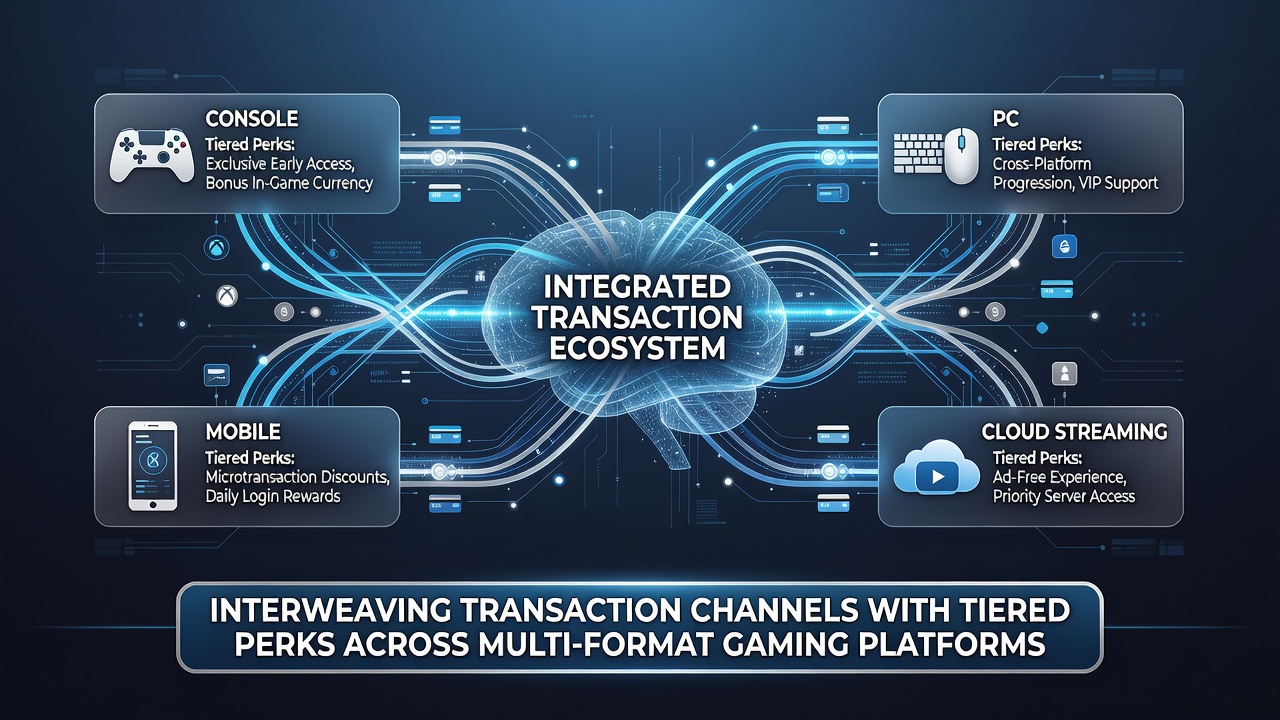
Transaction systems in gaming environments connect credit cards, e-wallets, bank transfers, and emerging digital currencies through unified ledgers that update in real time. Operators achieve this by using application programming interfaces that sync balances whether a player starts on a mobile slot game or switches to a live roulette table on desktop. According to figures released by the American Gaming Association, synchronized payment channels have reduced processing delays by up to 40 percent in multi-format setups during early 2026 implementations.
Instant deposit options feed directly into reward calculations, so a quick mobile top-up can trigger tier progression points that remain valid when the same account accesses land-based digital kiosks. These connections eliminate the need for separate loyalty tracking in each format, creating a single profile that reflects total activity. What's notable is how platforms handle currency conversions automatically when users cross regional boundaries within the same ecosystem.
Tiered Perks Tied to Transaction Activity
Reward structures assign levels based on cumulative deposits, wagering volume, and frequency across all supported formats. Entry tiers typically unlock basic cashback rates and bonus eligibility, while higher tiers add faster withdrawal priorities, exclusive event access, and multiplier effects on progressive contributions. Research from the University of Nevada Las Vegas International Gaming Institute indicates that players who maintain activity across at least two formats reach mid-tier status 25 percent faster than single-format users.
Perks adjust dynamically when transaction patterns shift, such as increased mobile usage during travel periods that still counts toward desktop-exclusive promotions. Systems track these movements through centralized databases, ensuring that a deposit made via cryptocurrency on one platform immediately updates tier status visible everywhere. This linkage means users rarely lose progress when experimenting with new game types or devices.
Implementation Patterns Observed in July 2026
By July 2026 several major operators had rolled out unified dashboards that display payment history alongside current tier benefits and upcoming unlock thresholds. These interfaces highlight how recent transactions influence reward multipliers, with color-coded indicators showing progress toward the next level. Observers note that such transparency correlates with longer retention periods because players can see direct connections between spending and returns without switching screens.
Hybrid models now allow a single deposit to split across formats, allocating portions to slot progressives on mobile while reserving others for live dealer tables on desktop. This flexibility supports varied player preferences while feeding the same loyalty engine. External audits confirm that these split-transaction features maintain compliance records across jurisdictions because every segment logs back to the central account.
Technical Foundations Supporting the Integration
Backend architectures rely on event-driven triggers that fire whenever a transaction completes, updating both balance and perk eligibility in one operation. Cloud-based services handle the scale required when thousands of simultaneous actions occur across regions and device types. Those who've examined system logs report that error rates drop significantly once payment channels and reward engines share the same data pipeline rather than operating in isolation.
Security protocols encrypt transaction details at the point of entry and maintain that protection through reward calculations, preventing unauthorized access to tier histories. Regular third-party reviews verify that these measures meet standards set by various international bodies, including cross-border data protection agreements. The result is a framework where players experience seamless movement between formats without separate verification steps for each transition.
Conclusion
Integrated payment and reward systems continue to evolve as operators refine connections between transaction channels and tier structures. Evidence from multiple regions demonstrates measurable gains in player continuity when formats share unified tracking. Continued development in July 2026 and beyond focuses on expanding these linkages to accommodate emerging payment technologies while preserving the core principle of consistent perk accumulation regardless of platform choice.