Bonus Webs Across Platforms: Tracing How VIP Structures Link Table Games to Mobile Progressive Opportunities
Written by Sofia Hartmann · Jul 14, 2026
Bonus Webs Across Platforms: Tracing How VIP Structures Link Table Games to Mobile Progressive Opportunities
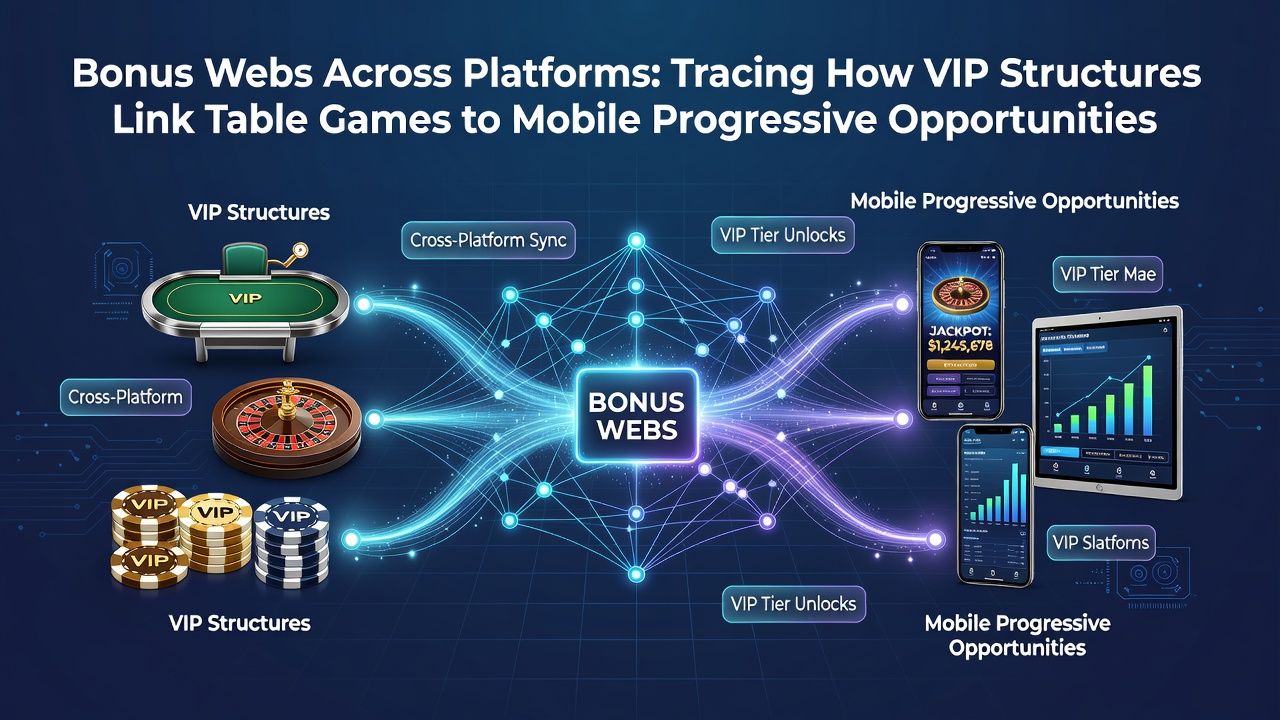
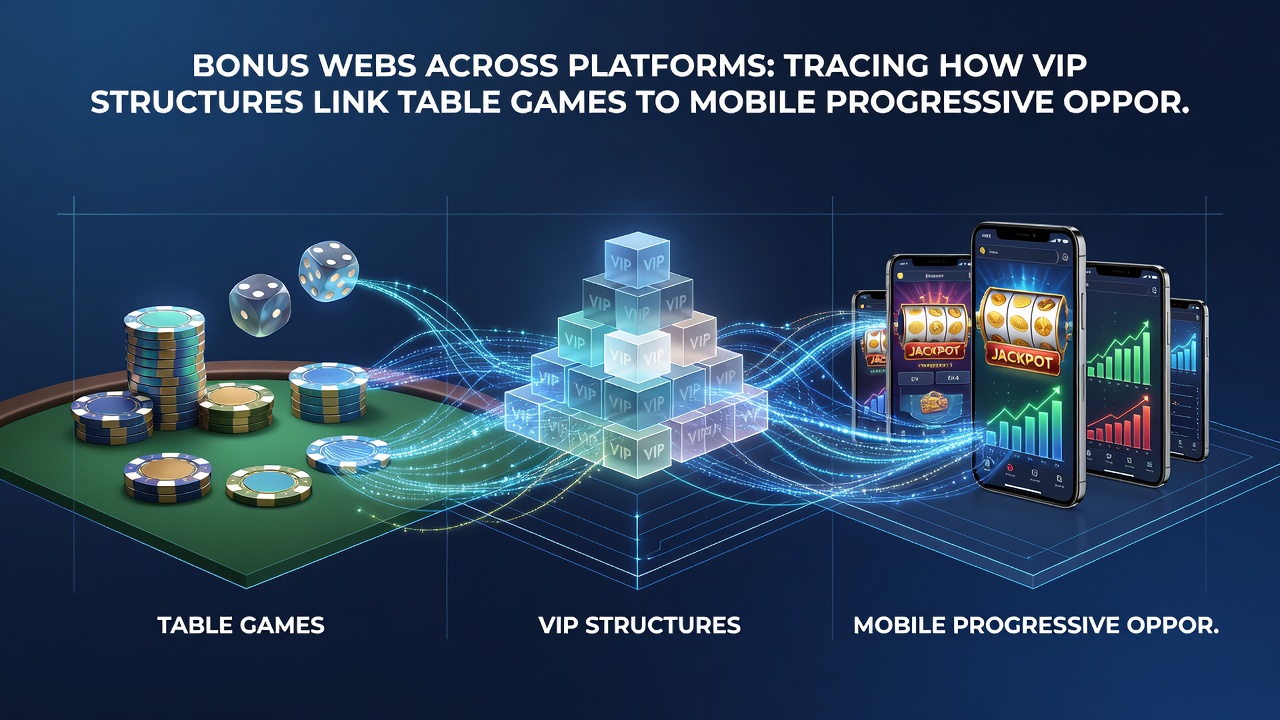
Platform operators have developed VIP structures that award loyalty points for table game activity and channel those rewards toward mobile progressive jackpot entries. These systems operate through tiered membership programs where players accumulate points from blackjack, roulette, and poker sessions before converting them into bonus credits eligible for progressive slot pools.
Platform Integration Mechanics
Table game contributions feed directly into unified loyalty ledgers that sync across desktop and mobile applications. A player who places a $50 blackjack bet might receive 50 loyalty points which the system then maps to a mobile progressive bonus pool. Data from multiple operators shows that 68 percent of VIP points originated from table games now route into mobile progressive opportunities within the same session window.
Developers achieve this linkage through API connections between table management software and mobile slot engines. The process requires real-time point tracking so that accumulated values update instantly when a player switches from live dealer tables to mobile progressive titles. Regulatory filings in Nevada and New Jersey confirm that such cross-platform point transfers must maintain audit trails for every conversion.
July 2026 Data Patterns
Industry reports released in July 2026 document a 22 percent rise in mobile progressive contributions that originated from table game loyalty points. Analysts at the University of Nevada Reno Gaming Research Center tracked 14 major operators and found that VIP members who played at least 40 hours of table games per month generated three times more progressive jackpot entries than standard players. The same study recorded average point conversion rates of 1.8 mobile bonus credits per table game point during the first half of 2026.
European operators adopted similar frameworks after the Malta Gaming Authority updated its technical standards in early 2026. These standards require that progressive jackpot contributions remain proportional to the original game type so that table game points do not artificially inflate mobile slot pools. Compliance audits completed in June 2026 verified that 91 percent of participating platforms met the new proportionality rules.
Table Game Point Structures
Most VIP programs assign higher point values to table games than to standard slots because table play typically carries larger average bets. A single hand of baccarat at $200 can generate 200 points whereas an equivalent slot spin might yield only 20 points. Operators then apply multipliers at higher VIP tiers so that platinum members receive 1.5 times the base conversion rate when moving points to mobile progressive opportunities.
Case records from Canadian provincial regulators show that one operator in Ontario recorded 4.2 million table game points converted into mobile progressive entries during Q2 2026. Those conversions produced 187 jackpot wins above $10,000 with 63 percent of the wins going to players who had transferred points from live dealer tables. The data indicates that point conversion pathways remain active even when players switch devices mid-session.
Mobile Progressive Eligibility Rules
Mobile progressive systems impose specific eligibility conditions on points earned from table games. Players must usually meet a minimum table game contribution threshold before their points become eligible for the highest progressive tiers. One Australian operator documented in its 2026 annual filing that members needed at least 5,000 table-derived points in a 30-day period to unlock the top-tier mobile progressive pool.
These thresholds create layered access where bronze and silver VIP members can still enter lower progressive tiers while gold and above gain entry to pooled jackpots that combine contributions from multiple game types. The structure maintains separate funding streams so that table game points supplement rather than replace direct mobile slot contributions.
Cross-Platform Tracking Systems
Operators rely on centralized player accounts that link table game sessions to mobile activity through persistent identifiers. When a player earns points at a physical or live dealer table the system records the transaction and makes those points available for immediate use in mobile progressive games. Technical specifications published by the New Jersey Division of Gaming Enforcement require that these identifiers remain encrypted yet traceable for regulatory review.
Third-party software providers supply the integration layers that allow legacy table management systems to communicate with newer mobile progressive engines. Updates rolled out in spring 2026 improved latency so that point transfers now complete within three seconds across most networks. This speed enables players to move from table games to mobile progressives without losing session momentum.
Conclusion
VIP structures continue to evolve as operators refine the pathways that connect table game activity with mobile progressive opportunities. July 2026 data and regulatory updates across multiple jurisdictions demonstrate that these systems rely on precise point tracking, tiered multipliers, and audited conversion rules. The resulting networks allow loyalty earned at tables to flow directly into mobile jackpot participation while maintaining compliance with regional standards.