Black Market Operators Project £40 Million Haul from Royal Ascot Festival
Written by Parker Flores · Jun 23, 2026

Black Market Operators Project £40 Million Haul from Royal Ascot Festival
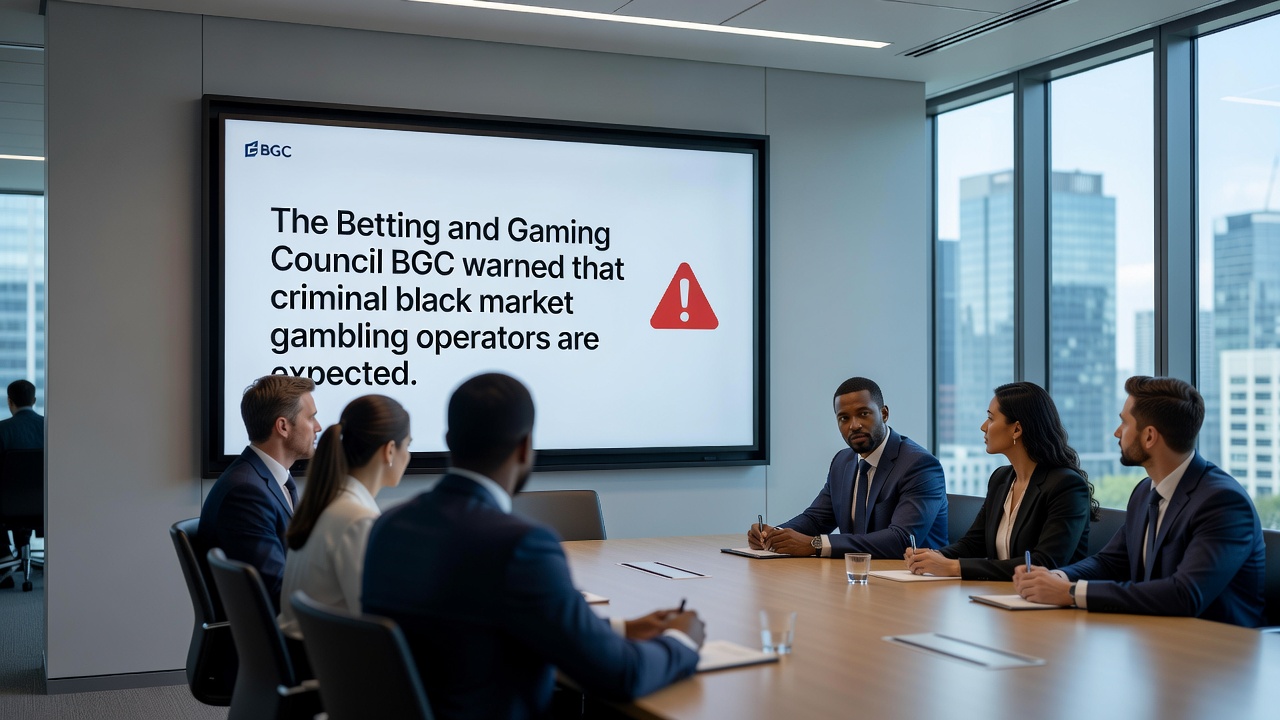
The Betting and Gaming Council has issued a direct warning that unregulated black market operators stand to collect around £40 million in illegal bets across the five-day Royal Ascot meeting scheduled for June 16-20 2026, and observers note this projection underscores the expanding footprint of operators who operate outside any licensing framework.
Those who track the sector point out that these criminal enterprises pay no taxes to the Treasury, return nothing to the funding of British horseracing, and provide zero consumer protections for anyone placing wagers, while the BGC stresses that policy decisions affecting the licensed market could accelerate movement toward these illegal channels.
Scale of the Projected Activity During the Festival
Royal Ascot draws large crowds each year and generates substantial betting turnover through both on-course and remote channels, yet the council’s estimate isolates the portion expected to flow to black market bookies who accept stakes without any regulatory oversight, and data from the organization shows this figure aligns with patterns observed at other major racing fixtures where enforcement gaps allow criminal operators to capture a share of activity.
Figures compiled by the BGC indicate that the five-day window creates a concentrated opportunity for these groups because high-profile events attract casual participants who may not verify licensing status before placing bets, while the absence of tax contributions from such operators means the public purse receives no revenue from that portion of turnover.
Concerns Over Tax Measures and Market Displacement
The council highlights that increases in taxation or additional regulatory burdens on the licensed sector carry the risk of pushing more activity toward unregulated alternatives, and experts who monitor compliance trends note that operators already operating illegally gain further advantage when the cost of staying legal rises.
According to the warning, policies designed to support the licensed market remain essential for maintaining customer safeguards and sustaining contributions to racing prize money and integrity programs, whereas black market entities contribute nothing to these structures and expose participants to fraud or non-payment risks without recourse.
Those familiar with enforcement patterns observe that illegal operators often advertise through social channels or unofficial apps that evade standard checks, allowing them to reach audiences during peak events like Royal Ascot without the responsible gambling tools or age verification required of licensed firms.
Implications for Customers and the Sport
Customer protections form a central element of the council’s statement because licensed operators must follow rules on fair play, dispute resolution, and self-exclusion, while unregulated sites operate without these obligations and leave bettors vulnerable to data misuse or withheld winnings.
The sport itself relies on levies and contributions from the regulated betting industry to fund prize money, breeding programs, and anti-doping measures, yet black market activity drains resources from these areas and places additional pressure on legitimate operators who already meet tax and compliance costs.
Observers who have reviewed similar warnings in past years point out that the £40 million projection for June 2026 represents a single-event snapshot, yet it illustrates broader movement of stakes away from channels that support both public finances and industry sustainability when enforcement or policy settings shift.
Call for Supportive Regulatory Approaches
The BGC statement emphasizes the importance of maintaining a competitive environment for licensed operators so that customers have clear, protected options rather than drifting toward illegal alternatives, and this approach includes balanced tax treatment and proportionate rules that do not inadvertently favor criminal networks.
Those monitoring the sector note that collaboration between regulators, law enforcement, and payment providers has helped reduce the visibility of some illegal sites, although the scale of the projected Royal Ascot activity shows that further coordinated action remains necessary to limit the reach of operators who ignore all licensing requirements.
Conclusion
The warning issued by the Betting and Gaming Council frames the £40 million estimate as a concrete illustration of the challenges posed by unregulated gambling during major events, and it ties this directly to the need for policy settings that keep the licensed market viable while protecting participants and preserving contributions to British horseracing. The dates June 16-20 2026 therefore serve as a focal point for ongoing discussions about enforcement priorities and regulatory balance.